

- expertise:
- Platform Testing, Cryptocurrency, Retail Investing
- credentials:
- Active investor since 2013 · 11+ years experience
- tested:
- 50+ platforms · 200+ guides authored

- expertise:
- CFD Trading, Forex, Derivatives, Risk Management
- credentials:
- Chartered ACII (2018) · Trading since 2012
- tested:
- 40+ forex & CFD platforms with live accounts
How We Test
Real accounts. Real money. Real trades. No demo accounts or press releases.
What we measure:
- Spreads vs advertised rates
- Execution speed and slippage
- Hidden fees (overnight, withdrawal, conversion)
- Actual withdrawal times
Scoring:
Fees (25%) · Platform (20%) · Assets (15%) · Mobile (15%) · Tools (10%) · Support (10%) · Regulation (5%)
Regulatory checks:
FCA Register verification · FSCS protection
Testing team:
Adam Woodhead (investing since 2013), Thomas Drury (Chartered ACII, 2018), Dom Farnell (investing since 2013) — 50+ platforms with funded accounts
Quarterly reviews · Corrections: info@theinvestorscentre.co.uk
Disclaimer
Not financial advice. Educational content only. We're not FCA authorised. Consult a qualified advisor before investing.
Capital at risk. Investments can fall. Past performance doesn't guarantee future results.
CFD warning. 67-84% of retail accounts lose money trading CFDs. High risk due to leverage.
Contact: info@theinvestorscentre.co.uk
Quick Answer: Is eToro better than Coinbase?
eToro is better suited to users looking for multi-asset investing, social trading features, and an accessible, beginner-friendly platform. Coinbase, by contrast, is a stronger fit for crypto-focused investors who want more advanced tools and a wider range of digital assets. Ultimately, the right choice comes down to whether you prefer broad investment functionality or a dedicated crypto-only environment.
"Both eToro and Coinbase are reputable choices, but they serve slightly different investors. eToro shines for those who want to trade more than just crypto, while Coinbase remains the go-to for serious crypto users. The better option depends entirely on your investing style and goals." — Adam Woodhead
Important: Neither eToro nor Coinbase crypto holdings are covered by the Financial Services Compensation Scheme (FSCS). eToro UK clients benefit from ring-fenced cash protection; Coinbase crypto assets are held in custody and not FSCS protected. See our full Coinbase safety guide for details.
| Category | Verdict |
|---|---|
| Overall Rating | 4.4 / 5 |
| Best For | Investors deciding between crypto-only and multi-asset platforms |
| eToro Strength | Ideal for beginners, social trading, and diversified investing |
| Coinbase Strength | Excellent for crypto traders and advanced blockchain users |
| Ease of Use | eToro simpler for new investors, Coinbase more technical |
| Regulation | eToro FCA FRN 583263 • Coinbase CB Payments Ltd FRN 900635 |
| Fees | Coinbase cheaper for frequent traders; eToro better for casual users |
| Security | Both highly secure; Coinbase experienced a 2025 data incident (no funds lost) |
| FSCS Protection | Crypto holdings not FSCS protected on either platform |
| Final Verdict | eToro is best for mixed investing; Coinbase wins for pure crypto focus. |
 Top Rated
Welcome bonus for new UK clients — deposit & receive free shares. Stocks only, 90-day hold applies.
- Deposit £500 – £999Get £40
- Deposit £1k – £4,999Get £100
- Deposit £5k – £9,999Get £300
- Deposit £10,000+Get £500
CFDs are complex instruments and come with a high risk of losing money rapidly due to leverage. 50% of retail investor accounts lose money when trading CFDs with this provider. You should consider whether you understand how CFDs work, and whether you can afford to take the high risk of losing your money.
 Trusted Exchange
Don’t invest unless you’re prepared to lose all the money you invest. This is a high-risk investment and you should not expect to be protected if something goes wrong. Take 2 mins to learn more
At a Glance Table Comparison
| Feature | eToro | Coinbase |
|---|---|---|
| Platform Type | Multi-asset broker | Crypto exchange |
| Asset Support | Crypto, stocks, ETFs, commodities | Cryptocurrencies only |
| Crypto Assets | ~70 | 250+ |
| Stock & ETF Trading | Yes | No |
| Social Trading (CopyTrader) | Yes | No |
| Staking / Interest | Up to 4.3% on cash (Club members) | Staking on select coins; GBP Savings 3.50% AER |
| NFT / DeFi Access | Not supported | Available via Coinbase Wallet |
| Trading Fees | Fixed crypto fees; spreads apply (~1%) | 2.49% standard buy; 0% with Coinbase One |
| Deposit/Withdrawal Fees | $5 withdrawal; FX fees on non-USD | Varies by method; free for many bank transfers |
| User Interface | Beginner-friendly | Beginner and advanced modes |
| Advanced Trading Tools | Basic | Available via Coinbase Advanced & Prime |
| Mobile App | Yes (iOS & Android) | Yes (iOS & Android) |
| Geographic Availability | 100+ countries | Global (regional restrictions apply) |
| FCA Registration | eToro (UK) Ltd — FRN 583263 | CB Payments Ltd — FRN 900635 |
| FSCS Coverage | Uninvested cash ring-fenced; crypto not covered | Crypto not FSCS protected |
| Best For | New investors, social traders, multi-asset users | Crypto-focused users, advanced traders |

eToro Overview
eToro is a strong choice for users who want more than crypto. Its social trading, multi-asset access, and regulated environment make it appealing for diversified investors. While it's less suited to technical traders, it excels in simplicity, accessibility, and passive investing features.
eToro Pros & Cons
Pros:
- Supports crypto, stocks, ETFs, and commodities
- Social trading via CopyTrader
- Regulated in multiple major jurisdictions (FCA FRN 583263)
Cons:
- Limited advanced charting tools
- Crypto selection smaller than Coinbase (~70 vs 250+)
- Withdrawal and currency conversion fees may apply
Coinbase Overview

Coinbase is built for crypto enthusiasts. With hundreds of supported coins, powerful trading tools, and strong institutional products, it caters to active users. It lacks multi-asset support but stands out in DeFi, NFTs, and beginner-to-pro trader workflows. Notably, following the dismissal of the SEC's case against Coinbase in 2025, the platform has continued expanding its product range with greater regulatory confidence — a positive signal for long-term platform stability. You can read our full Coinbase review for a complete breakdown.
Coinbase Pros & Cons
Pros:
- Wide range of supported cryptocurrencies (250+)
- Advanced tools through Coinbase Advanced and Prime
- NFT and DeFi wallet integration
- GBP Savings account offering 3.50% AER
Cons:
- No stock or ETF support
- Higher fees without Coinbase One subscription (2.49% standard buy fee)
- Some regional limitations for full features
What Are the Key Differences Between eToro and Coinbase?
eToro supports around 70 cryptocurrencies plus stocks, ETFs, and commodities. Coinbase focuses solely on crypto, offering over 250 coins. Users wanting a broad portfolio across asset classes may prefer eToro. Crypto-only users benefit from Coinbase's deeper token coverage and blockchain-native focus.

Which platform offers more trading features and tools?
Coinbase provides powerful trading features such as advanced charting, order books, and liquidity tools via Coinbase Advanced and Prime. eToro includes basic charting and social features. Advanced traders favour Coinbase for control and tools, while beginners appreciate eToro's guided, simplified experience.
Does either platform support stock or multi-asset trading?
Only eToro supports multi-asset trading. It lets users invest in crypto, global stocks, ETFs, and commodities within a single account. Coinbase is focused entirely on crypto, offering no access to traditional markets. For a diversified portfolio, eToro is the more flexible option.
Who Offers Lower Fees & Better Costs?
I've tested both platforms with real money, and the fee difference is more noticeable in practice than it appears on paper. When I bought Bitcoin through Coinbase's standard interface in March 2026, I paid a 1.19% effective fee via Coinbase Advanced — considerably lower than the 2.49% charged through the standard buy screen. eToro's ~1% fixed spread felt more predictable, though their $5 withdrawal fee and USD conversion charges add up if you're moving funds regularly.
| Fee Type | eToro | Coinbase |
|---|---|---|
| Standard Buy Fee | ~1% spread | 2.49% (standard interface) |
| Advanced / Active Trader Fee | N/A | 0.6% taker / 0.4% maker (Coinbase Advanced) |
| Coinbase One (subscription) | N/A | 0% trading fees; £27.99/month |
| Deposit Fees | Varies by method, may include conversion fees | Varies; free for many bank transfers |
| Withdrawal Fees | $5 or equivalent; FX fees may apply | Varies by method; no fee for some local options |
| Currency Conversion | Yes, for non-USD deposits/withdrawals | Yes, based on spot rate |
| Staking Fees | Percentage of yield retained | Percentage of staking rewards taken |
| Inactivity Fees | No | No |
| Hidden Costs | Spread-based pricing | Spread + fee unless on Coinbase One |
How Do Trading & Withdrawal Fees Compare?
eToro uses spread-based pricing and charges a $5 withdrawal fee. Coinbase charges variable fees — 2.49% via the standard buy button, dropping significantly when using Coinbase Advanced. Overall, Coinbase is cheaper for high-frequency traders who use the advanced interface, while eToro may be more cost-effective for occasional users making fewer withdrawals.
Are There Any Hidden Charges to Watch For?
Yes. eToro includes costs in its fixed spreads and applies FX fees on non-USD activity. Coinbase bundles spread margins into prices and adds transaction fees unless you're on Coinbase One. Both are transparent overall, but always use Coinbase Advanced rather than the standard buy screen to avoid the higher 2.49% rate.
What are the deposit and withdrawal fees on both platforms?
eToro charges withdrawal and conversion fees, particularly for non-USD deposits. Coinbase fees vary by payment method — some are free, while others involve service charges. Coinbase's fee structure is more flexible; eToro's is more predictable but may be more expensive for frequent fiat movements.
How do trading fees compare for casual vs. frequent users?
Coinbase One offers 0% fees at £27.99/month, making it worthwhile for active traders. Without it, Coinbase fees can be high (2.49% standard). eToro uses fixed spreads that benefit casual users but add up for frequent traders. For low-volume users, eToro may be cheaper; for high-volume, Coinbase Advanced wins.
Is eToro or Coinbase Safer to Use?
eToro is regulated in the UK by the FCA (FRN 583263), in Europe by CySEC, in Australia by ASIC, the UAE by ADGM, and in Seychelles. Coinbase operates in the UK through CB Payments Ltd, which is registered with the FCA as a cryptoasset firm (FRN 900635). Both platforms follow strict compliance standards, though it's worth understanding what regulatory protection actually covers in practice.
FSCS protection: Neither platform's crypto holdings are covered by the Financial Services Compensation Scheme. eToro UK clients have uninvested cash held in ring-fenced bank accounts, which may qualify for FSCS protection up to £85,000. Coinbase crypto assets are held in custody and are not FSCS protected. For more on this distinction, see our guide to whether Coinbase is safe.
How is user data and crypto stored securely?
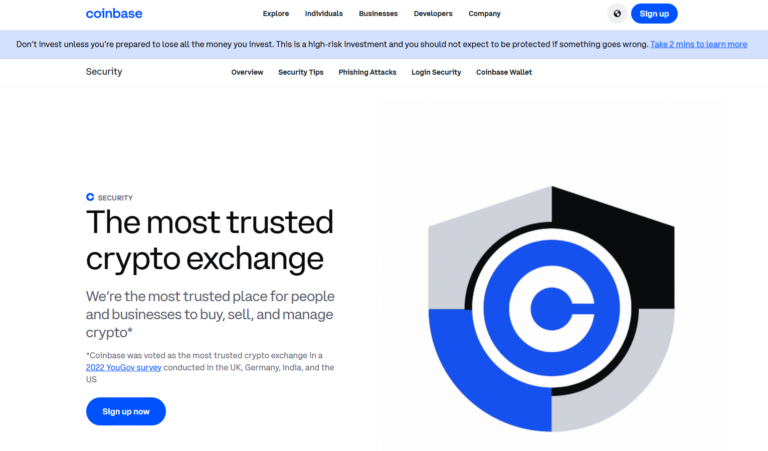
Coinbase stores most user crypto in offline cold storage, with multi-layer encryption and SOC 2 Type II certification. eToro protects client funds in top-tier banks and uses strong cybersecurity measures. Both platforms prioritise safety, though Coinbase leans more toward secure crypto custody specifically.
Have either of these platforms experienced hacks?
In 2025, Coinbase disclosed a data breach affecting approximately 69,000 customers. The incident involved an insider who was socially engineered into sharing customer data with external bad actors. Importantly, no customer funds were lost and no passwords or private keys were compromised. Coinbase Wallet users were unaffected. eToro has maintained a clean record with no reported incidents. Both remain trusted platforms, but the Coinbase incident is a reminder to use two-factor authentication and remain vigilant against phishing.
Which Is More Beginner-Friendly: eToro or Coinbase?
eToro's platform is designed with new investors in mind, featuring a clean dashboard and social elements. Coinbase is also beginner-friendly but can appear more complex when advanced options are enabled. Both platforms are accessible, though eToro is slightly easier for total newcomers. If you're specifically evaluating Coinbase for a first crypto purchase, our guide on whether Coinbase is good for beginners covers the onboarding experience in detail.

Does either platform offer educational tools or demos?
eToro features the eToro Academy and a virtual demo account to practise trading. Coinbase offers interactive learning modules and tutorials with rewards. Both platforms emphasise education, but eToro's demo trading functionality makes it easier to learn without financial risk.
What is the onboarding experience like?
eToro has a fast onboarding process with optional demo access before depositing. Coinbase requires full ID verification before any trading. Both offer intuitive sign-up flows, but eToro gives users an earlier taste of the platform through its virtual portfolio.
Where Is eToro vs. Coinbase Available?
eToro is available in over 100 countries, including the UK, EU, Australia, and selected Asian and African markets. Coinbase also operates globally, but some features like staking or advanced tools are restricted in certain regions. Always check country-specific access before registering.
Are there regional restrictions or regulatory differences?
Yes. eToro limits features like leverage in certain jurisdictions based on regulation. Coinbase restricts services like staking, advanced trading, or crypto card access in regions with legal constraints. Your country of residence will affect feature availability on both platforms.
Which Platform Is Better for Long-Term Investors?
Coinbase supports staking for Ethereum and other proof-of-stake coins, and offers a GBP Savings account at 3.50% AER — a useful option for UK investors holding idle balances. eToro offers up to 4.3% interest on uninvested balances for Club members. While Coinbase focuses on crypto yield, eToro provides passive income on cash, making both suitable for different types of long-term investors.

How do the platforms handle custody and asset ownership?
eToro is a custodial platform — users don't control their crypto keys. Coinbase offers custodial and non-custodial options through Coinbase Wallet. If direct ownership is a priority, Coinbase is better. For hands-off investing and managed custody, eToro is more aligned.
Is Social Trading Available on Coinbase or eToro?
eToro's CopyTrader allows users to automatically replicate trades from successful investors. It creates a passive investment option and fosters community-driven strategies. It's ideal for beginners or anyone who prefers following experienced traders instead of managing every trade themselves.

Does Coinbase offer anything similar?
Coinbase does not currently offer social or copy trading features. Users trade independently with no automated replication of others' portfolios. While Coinbase focuses on self-directed investing, those interested in social finance will find eToro's model more interactive and collaborative.
How Do eToro and Coinbase Handle Tax Reporting?
eToro allows users to download tax reports and full trade histories to support filing requirements. Coinbase goes a step further by offering more detailed reporting, including data on staking rewards, making it better suited to active crypto investors. While both platforms support tax compliance, Coinbase's tools are generally more comprehensive for crypto-focused users.
UK investors should also be aware that CARF (Crypto Asset Reporting Framework) reporting begins in 2026. Both eToro and Coinbase will be required to report user transaction data to HMRC. Coinbase's existing CSV export tools and third-party integrations make it well-positioned to support this transition.
Are they integrated with popular crypto tax software?
Coinbase integrates with tax software like Koinly and CoinTracker. eToro allows CSV exports compatible with most tools but lacks native integrations. Users seeking automated crypto tax filing may prefer Coinbase's streamlined setup, while eToro users may need more manual setup. See our best crypto exchanges UK guide for a broader comparison of tax reporting tools across platforms.
Final Verdict — eToro vs. Coinbase in 2026
Both eToro and Coinbase are reputable, well-regulated platforms that serve slightly different investor types. eToro is best for those who want to trade more than just crypto — its social trading, multi-asset access, and beginner-friendly design make it the stronger all-round choice. Coinbase wins for serious crypto users who need advanced tools, deep token coverage, and DeFi/NFT access.
For a deeper look at how Coinbase compares against other crypto exchanges, see our Coinbase vs Kraken comparison.
Best for Multi-Asset Investing: Get Started With eToro
Best for Pure Crypto Focus: Get Started With Coinbase