


Quick Answer: What Went Wrong With My First CFD Trade?
I opened my first ever CFD position without a stop-loss, without a take-profit, and with far too much leverage for my account size. I didn’t understand how quickly a leveraged position could move against me — and within hours, I was staring at an unrealised loss that nearly emptied my account. This is the full story of what I did wrong, what it actually cost me, and the five rules I now follow on every single trade.

Spread bets and CFDs are complex instruments and come with a high risk of losing money rapidly due to leverage. 65% of retail investor accounts lose money when trading spread bets and CFDs with this provider. You should consider whether you understand how spread bets and CFDs work and whether you can afford to take the high risk of losing your money.
Why I Thought I Was Ready for CFDs (I Wasn’t)
I’d been investing in shares for a while — ISAs, index funds, the usual. I understood the basics. When I started reading about CFDs, the appeal was obvious: you could go long or short, trade on leverage, and access markets that were otherwise out of reach for a retail account. What I didn’t fully grasp was how fundamentally different leveraged trading is from buying and holding shares.
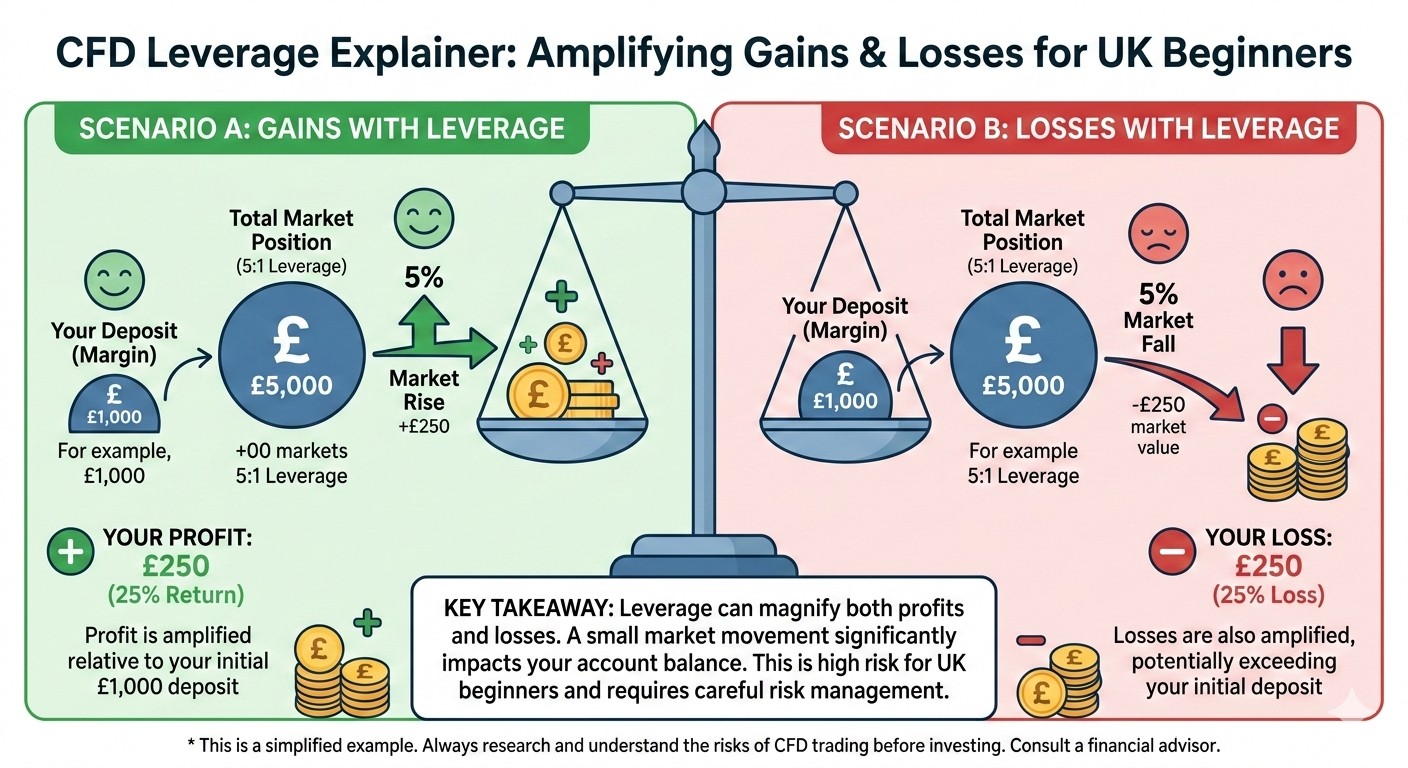
With shares, if the price drops 5%, you’re down 5%. With a CFD at 10:1 leverage, that same 5% drop means a 50% hit to your margin. I knew that intellectually. I’d read it in articles. But there’s a difference between reading about leverage and feeling your account balance collapse in real time.
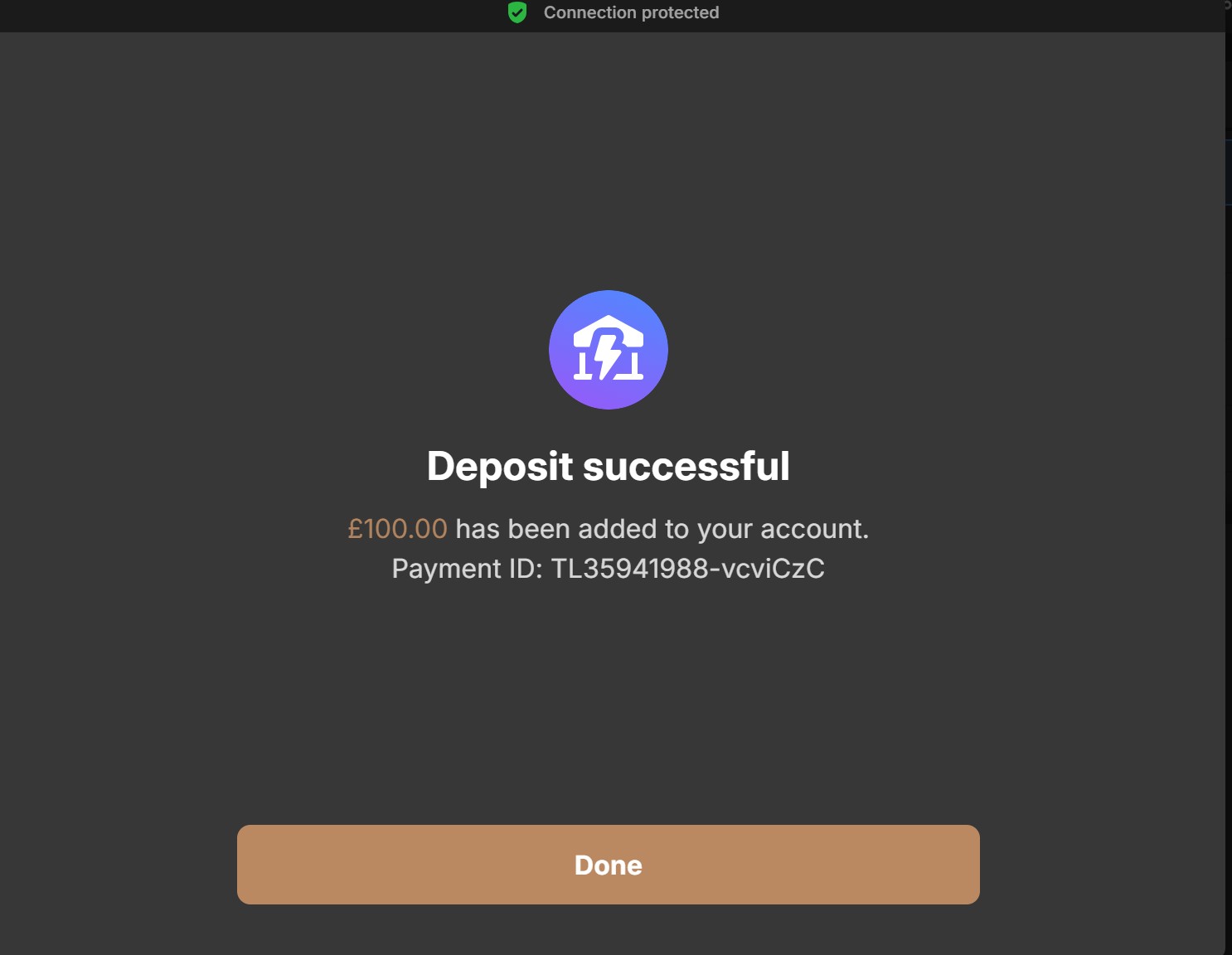
I deposited money into my trading account, picked a market I’d been following, and opened my first position. No stop-loss. No take-profit. No written plan. Just a gut feeling that the price was going to move in my direction.
The Three Mistakes That Nearly Emptied My Account
Mistake 1: No Stop-Loss
This was the big one. I opened the trade and left the stop-loss field blank. I told myself I’d “keep an eye on it” and close manually if it moved against me. That is not a risk management strategy — that is hope. And hope is the most expensive emotion in trading.
The market moved against me. Not dramatically — not a crash. Just a steady, grinding move in the wrong direction. Every time I checked, I thought “it’ll come back.” It didn’t.
Mistake 2: Position Size Was Far Too Large
I didn’t calculate my position size relative to my account. I didn’t think about what percentage of my capital was at risk. I just picked a number that “felt right” and hit buy. When you combine an oversized position with leverage, you’re not trading anymore — you’re gambling with amplified stakes.
The standard rule — which I now follow religiously — is to risk no more than 1-2% of your account per trade. On my first trade, I was risking a multiple of that without even realising it.
Mistake 3: I Didn’t Understand How Leverage Actually Works
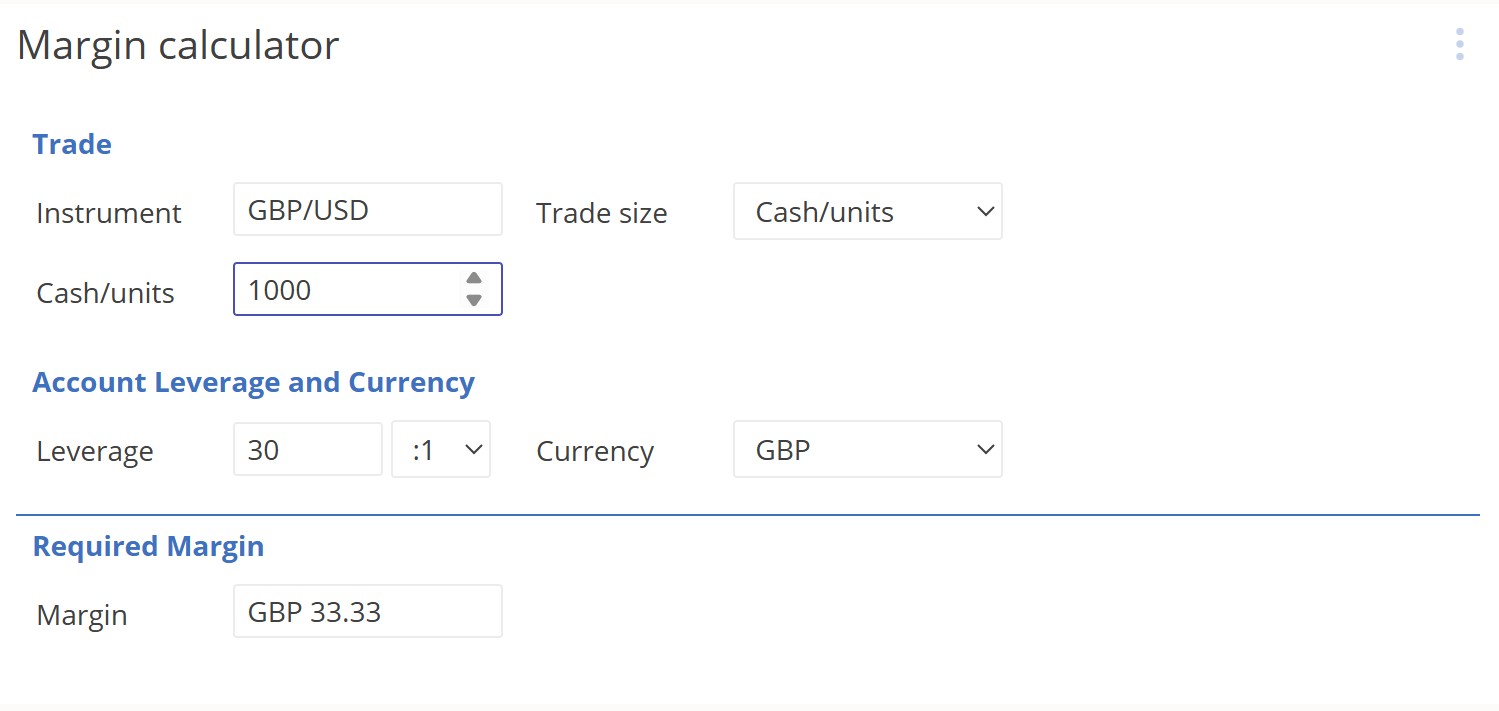
I knew CFDs were leveraged. I’d read that 10:1 leverage means you control £10,000 with £1,000 of margin. What I didn’t connect emotionally was the other side of that equation: your losses are also leveraged 10:1. A 2% adverse move doesn’t cost you 2% — it costs you 20% of your margin.
⚠ The FCA requires this context: CFDs are complex instruments and come with a high risk of losing money rapidly due to leverage. Capital.com discloses that 81.31% of retail investor accounts lose money when trading CFDs with their platform. You should consider whether you understand how CFDs work and whether you can afford to take the high risk of losing your money.
How Bad Did It Get?
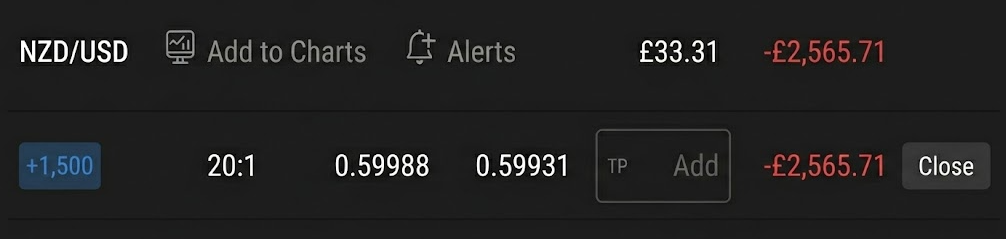
I watched my unrealised loss grow hour by hour. Every time I refreshed the screen, the number was worse. At the lowest point, I was looking at a drawdown that represented a significant chunk of my deposited capital. Not my life savings — I’d only deposited money I could afford to lose — but enough to make my stomach drop.
The worst part wasn’t the loss itself. It was the paralysis. I knew I should close the trade. I knew every minute I held it was irrational. But closing meant admitting I’d been wrong, and I wasn’t ready to do that. So I held. And it got worse.
That’s what they don’t tell you in the “how to trade CFDs” guides. The emotional component isn’t a footnote — it’s the entire game. You can understand leverage, position sizing, and risk management perfectly on paper. But when real money is disappearing from your account in real time, rationality goes out the window.
I eventually closed the position. The loss was real. The lesson was more expensive than any trading course I could have paid for.
What I Should Have Done Instead (And What I Do Now)
After the dust settled, I sat down and wrote out everything I’d done wrong. Not to punish myself — but because I knew that if I didn’t turn this into a system, I’d make the same mistakes again. Here are the five rules I now follow before every single CFD trade.
Rule 1: Always Set a Stop-Loss Before the Trade Opens
Not after. Not “when I get a chance.” Before. On most platforms — including Capital.com — you can set your stop-loss and take-profit at the point of order entry. If the stop-loss isn’t set, the trade doesn’t get placed. No exceptions.
Rule 2: Risk No More Than 1-2% Per Trade
If my account is £5,000, the maximum I’m willing to lose on a single trade is £50–£100. That means my position size is calculated backwards from my stop-loss distance — not the other way around. If the stop-loss needs to be wide, the position size comes down.
Rule 3: Always Set a Take-Profit Target
Hope is not a strategy for exits either. I set a take-profit level based on the risk-to-reward ratio — typically aiming for at least 2:1 (if I’m risking £50, my target is £100). This removes the temptation to “let it run” or close too early.
Rule 4: Understand the Leverage Before You Click Buy
Before opening any position, I now calculate the actual exposure. If I’m trading at 10:1 leverage with £500 of margin, I’m controlling £5,000 of market exposure. A 1% adverse move costs me £50 — that’s 10% of my margin. If those numbers don’t sit comfortably, I reduce the position size or don’t take the trade.
Rule 5: Use a Demo Account First
This one stings because it’s so obvious. Every major CFD broker offers a free demo account with virtual money. I could have made every single one of these mistakes with £0 at risk. Instead, I learned with real money. Don’t be me.

My First Trade vs How I Trade Now: Side by Side
Here’s the difference between my first trade and how I approach every trade today. Same platform. Same markets. Completely different process.
| My First Trade | How I Trade Now | |
|---|---|---|
| Stop-Loss | None — “I’ll close manually” | Set before the trade opens, every time |
| Take-Profit | None — “I’ll see how it goes” | Set at minimum 2:1 risk-to-reward |
| Position Size | Whatever “felt right” | Calculated from stop-loss distance and 1-2% account risk |
| Leverage Understanding | Knew the ratio, not the real-money impact | Calculate actual £ exposure before every trade |
| Demo Testing | Skipped — went straight to live | Every new strategy tested on demo first |
| Trade Plan | None — gut feeling | Written entry, exit, and risk criteria before opening the platform |
| Emotional State | Panicked, paralysed, couldn’t close | Detached — the stop-loss handles the exit |
The biggest change isn’t technical — it’s psychological. When you know your maximum loss before you enter, you don’t panic. The stop-loss removes the need for emotional decision-making.
Would I Still Trade CFDs After This? Honestly, Yes
The experience didn’t put me off CFDs. It put me off careless trading. CFDs are a legitimate tool for experienced traders who understand the risks and manage them properly. The problem was never the instrument — it was me.
Since that first trade, I’ve continued trading CFDs. The difference is I now treat every trade as a business decision with defined risk, not a punt. My losses are smaller, planned, and part of the process. My wins are larger because I let them run to a target instead of closing in a panic.
But I won’t pretend this is easy money. The FCA reports that the majority of retail CFD accounts lose money — and that statistic exists for a reason. Most people don’t do what I’ve described above. Most people trade exactly like I did on day one: oversized positions, no stop-loss, driven by emotion. If that’s you, a demo account costs nothing and teaches everything.
⚠ This is not financial advice. I’m sharing my personal experience to help others avoid the same mistakes. CFD trading carries significant risk and is not suitable for everyone. You should only trade with money you can afford to lose. If you’re unsure whether CFD trading is right for you, seek independent financial advice.
FAQs
References
- Financial Conduct Authority – Contract for differences | FCA
- Financial Conduct Authority – PS19/18: Restricting contract for difference products sold to retail clients
- FCA Register – Capital Com (UK) Limited. FRN: 793714
- Financial Services Compensation Scheme – FSCS protection limits
- European Securities and Markets Authority – ESMA leverage restrictions for retail CFD trading
For more on CFD trading, see our guides on the best CFD trading platforms in the UK and what is leverage in trading.