



Quick Answer: What Happened When I Deposited Real Money Into 7 Platforms?
I deposited my own money into Capital.com, IG, Pepperstone, Spreadex, CMC Markets, Saxo, and eToro to test the full experience — onboarding, verification, deposit speed, platform feel, and the things you only discover once real money is on the line. Some platforms I expected to love fell flat. Others I’d barely heard of genuinely impressed me. This is what actually happened, platform by platform.
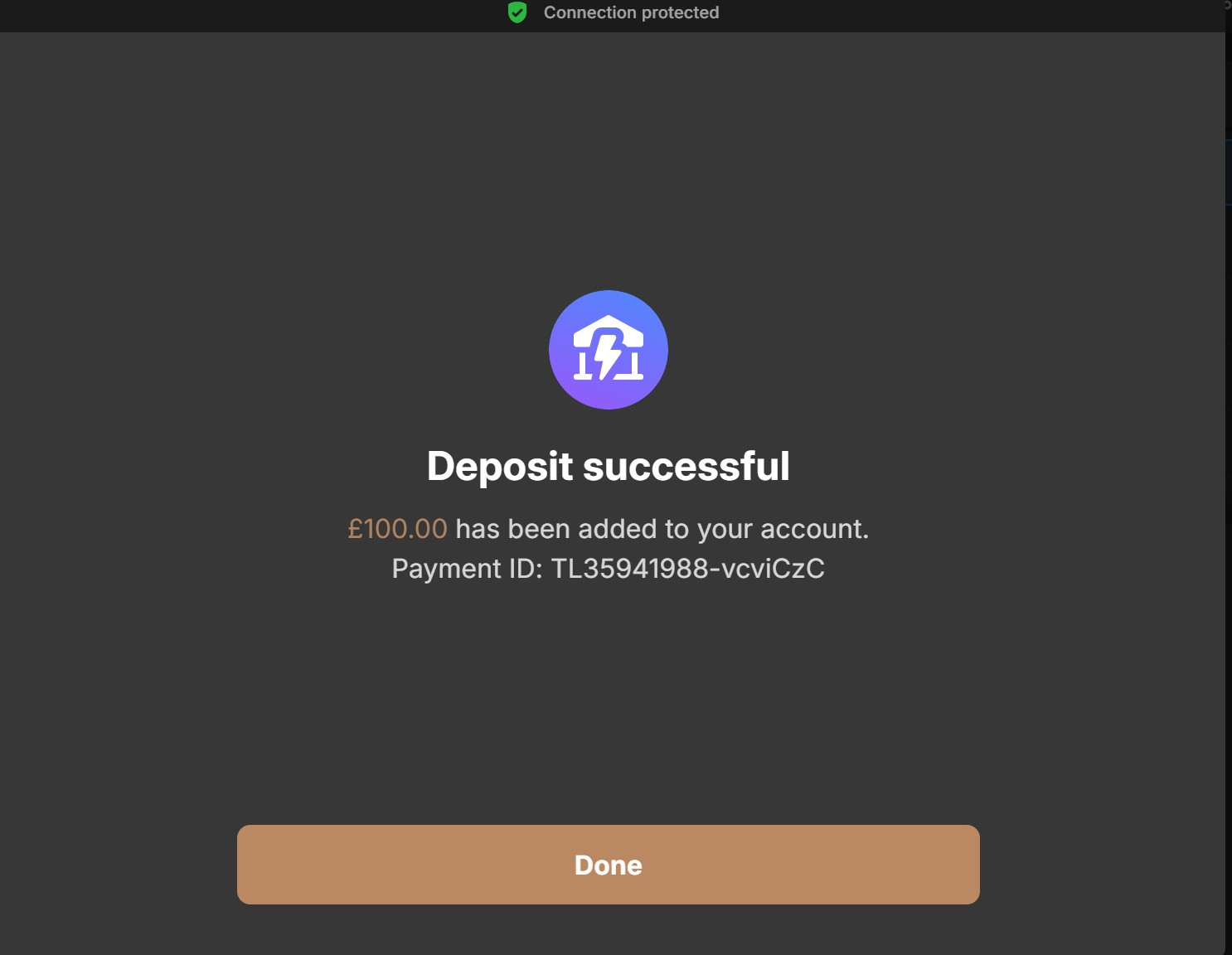
Why I Deposited Real Money Into 7 Platforms
Most broker reviews are written from demo accounts. The screenshots are virtual, the experience is sanitised, and the reviewer never actually had real money at stake. I wanted to do it differently.
At The Investors Centre, we test every platform with real deposits. Not because demo accounts are useless — they’re valuable for learning the interface — but because the experience changes when it’s your actual money. Verification gets stricter. Support response times matter more. Withdrawal speeds become a genuine concern rather than a theoretical one.
So I opened live accounts with seven of the most popular UK trading platforms, deposited real money into each one, and documented exactly what happened. The deposits ranged from the minimum allowed up to several hundred pounds. Every platform on this list is FCA-regulated — that was a non-negotiable starting point.
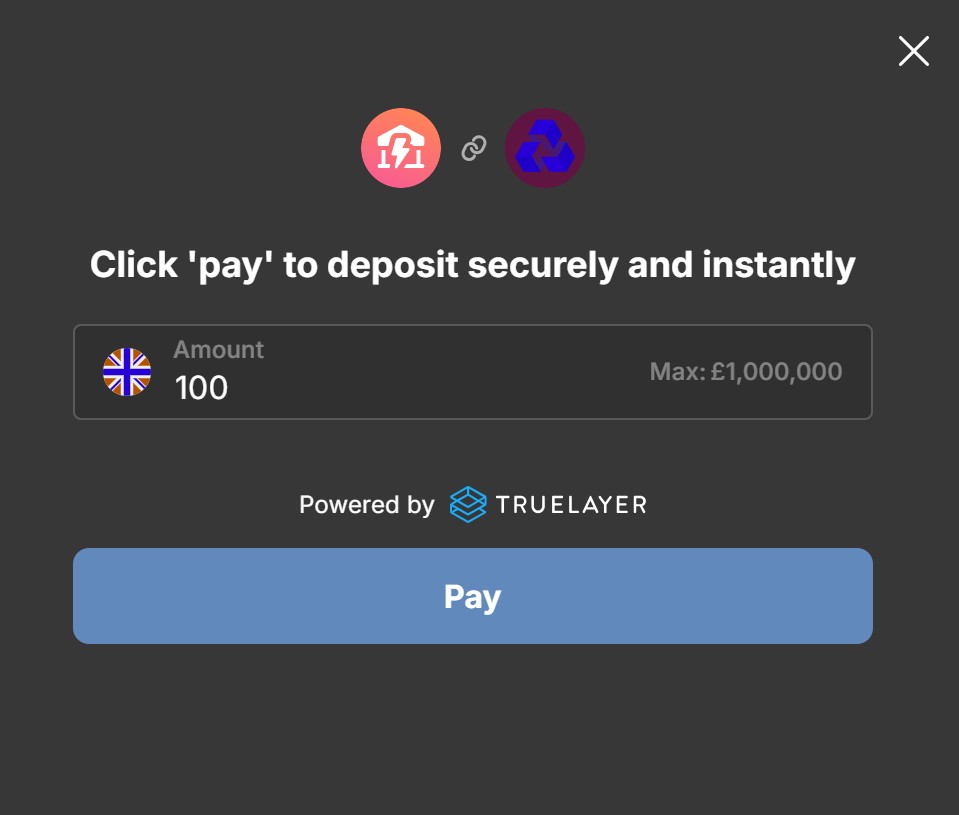
All 7 Platforms at a Glance: What I Found
Before I get into the detail, here’s the headline comparison. These are all based on my actual experience — not marketing material.
| Platform | Min Deposit | Deposit Fee | Verification Time | My Verdict |
|---|---|---|---|---|
| Capital.com | £20 | None | ~2 hours | Fastest onboarding by far |
| IG | No strict min | None | Same day | Professional but overwhelming at first |
| Pepperstone | No strict min | None | Same day | Smooth setup, instant deposit |
| Spreadex | £1 | None | Same day | Surprisingly good — underrated |
| CMC Markets | No minimum | None | Under 24 hours | Powerful but steep learning curve |
| Saxo | £500 | Not stated | Longer than others | Premium feel, premium price tag |
| eToro | £50 | None (£5 withdrawal) | ~24 hours | Easy start, hidden costs later |
Every platform listed is FCA-regulated. Deposit fees were zero across the board (at the time of testing). The real cost differences show up in spreads, overnight fees, and withdrawal charges — not deposits.
Capital.com — The One That Got Me Trading Fastest
Capital.com had the lowest barrier to entry of any platform I tested. The minimum deposit is just £20, and I was verified and funded within about two hours. The onboarding flow felt like it was designed by people who’ve actually opened trading accounts before — no unnecessary steps, no confusing forms, no waiting days for a compliance email.
The platform itself is clean. Not the most advanced charting I’ve ever seen, but the order entry is intuitive and the layout doesn’t overwhelm you with information. For someone opening their first live account, this is probably the least intimidating experience on this list.
What surprised me: Apple Pay worked for the deposit. Funds appeared almost instantly. I was placing my first real trade within a couple of hours of starting the application.
Deposit methods: Bank transfer, debit/credit card, Apple Pay
What I deposited: £500 via card
Time to verified and funded: ~2 hours
Surprise: Apple Pay deposit — instant
Read our full Capital.com review
62% of Retail CFD Accounts Lose Money
IG — The Big Name That Took Some Getting Used To
IG is the biggest broker in the UK by a considerable margin, and the platform reflects that scale. There’s a lot here — CFDs, spread betting, share dealing, options, futures, and an ISA. When I first logged into my funded account, the sheer number of options was genuinely overwhelming.
The deposit itself was painless. No strict minimum, free by card or bank transfer, and verification completed same day. PayPal is also an option, which is a plus. Where IG lost me initially was the interface. The web platform has multiple tabs, menus within menus, and features I didn’t know existed. It took a good hour of clicking around before I felt oriented.
Once I got my bearings, I understood why people stay with IG for years. The depth is unmatched. But for a first deposit experience? It felt like being handed the keys to a Boeing 747 when you’ve only ever driven a car.
Deposit methods: Debit card, bank transfer, PayPal
What I deposited: £250 via card
Time to verified and funded: Same day
Surprise: The learning curve — powerful but not intuitive at first
Read our full IG review
Pepperstone — The Smoothest Deposit Experience Overall
Pepperstone doesn’t technically have a minimum deposit. You can fund with any amount, though they sensibly recommend £200–£500 for comfortable margin trading. The onboarding was a six-step process — ID, address, experience questions — and it moved quickly. Deposits credited instantly after approval.
What stood out was the lack of friction. No deposit fees. No withdrawal fees. No inactivity fees. No hidden charges anywhere in the process. After testing platforms that nickel-and-dime you on withdrawals or penalise you for not trading every month, Pepperstone felt refreshingly straightforward.
The platform connects to MT4, MT5, cTrader, and TradingView. If you already have a preferred charting setup, Pepperstone basically just plugs in. For traders who care about execution and spreads more than a flashy proprietary interface, this was the standout.
Deposit methods: Debit/credit card, bank transfer, PayPal
What I deposited: £300 via card
Time to verified and funded: Same day, deposits instant
Surprise: Zero fees anywhere — deposits, withdrawals, inactivity. Genuinely nothing
Read our full Pepperstone review
Spreadex — The Underdog That Genuinely Impressed Me
I’ll be honest — Spreadex wasn’t on my radar before this test. It doesn’t have the marketing budget of IG or the social media presence of eToro. But when I actually deposited and started using it, I was genuinely surprised.
The minimum deposit is £1. One pound. That’s not a typo. You can fund a live Spreadex account with a single pound coin. For someone who wants to test a platform with real money but doesn’t want to commit hundreds of pounds upfront, that’s a meaningful difference.
The platform itself is clean and intuitive. Spread betting is the core product, which means profits are typically tax-free under current HMRC rules — no Capital Gains Tax, no Stamp Duty. The spreads on gold and major forex pairs were competitive with brokers charging five or ten times the minimum deposit. Support was responsive and felt genuinely UK-based.
This was the biggest positive surprise of the entire test. A platform I nearly skipped turned out to be one of the best experiences of the seven.
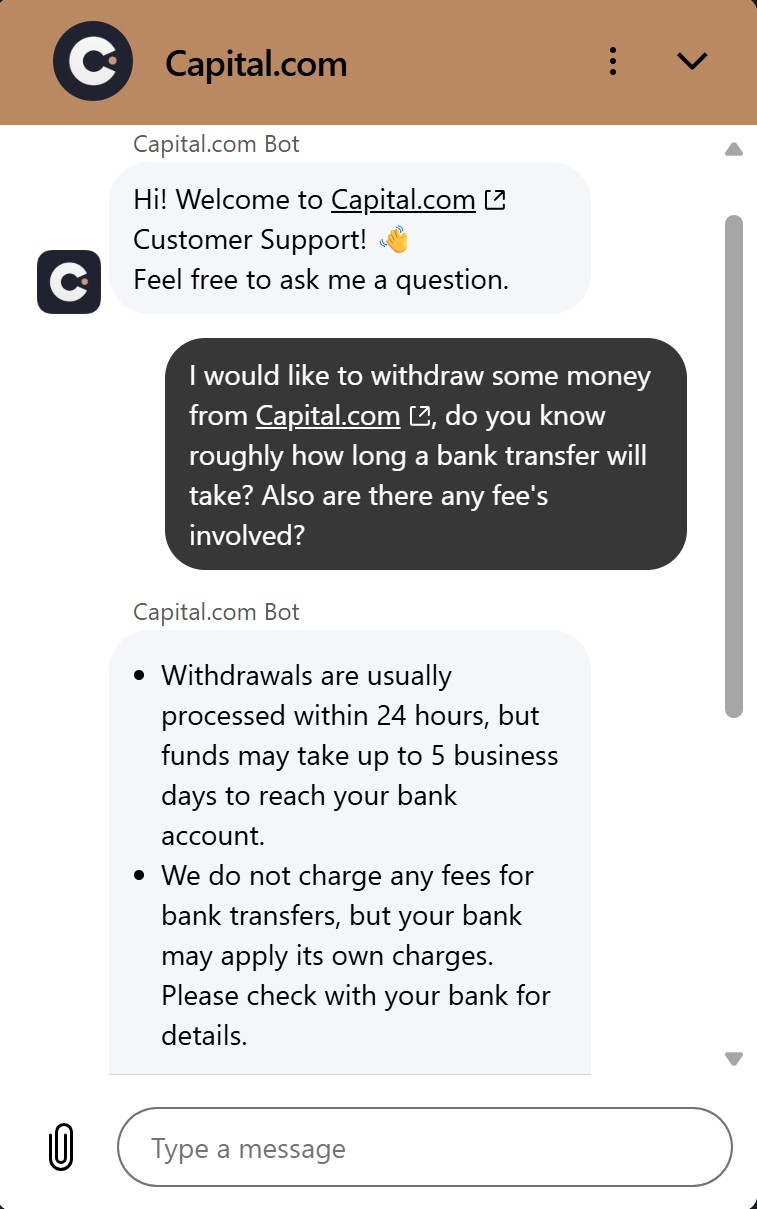
Deposit methods: Bank transfer, debit/credit card, PayPal
What I deposited: £100 via card
Time to verified and funded: Same day
Surprise: £1 minimum deposit and genuinely competitive spreads. The underdog of this test
Read our full Spreadex review
CMC Markets — Serious Platform, Serious Learning Curve
CMC Markets has no minimum deposit at all. You can literally fund with whatever you want. Registration took under ten minutes, verification completed within a day, and the deposit was free via card, bank transfer, or PayPal.
Then I opened the Next Generation platform, and my enthusiasm hit a wall.
CMC’s platform is deep. Over 115 technical indicators. Pattern recognition tools. Customisable layouts with multiple chart windows. For an experienced trader, this is paradise. For someone making their first real deposit and wanting to place a straightforward trade, it felt like walking into the cockpit of a space shuttle.
The spreads are tight — gold from 0.3 points, which matches Spreadex and IG. Execution was fast. No complaints there. But the gap between “depositing money” and “confidently placing a trade” was wider on CMC than on any other platform in this test.
Deposit methods: Debit card, bank transfer, PayPal
What I deposited: £200 via card
Time to verified and funded: Under 24 hours
Surprise: The platform depth is incredible but needs a genuine time investment to learn
Read our full CMC Markets review
Saxo — The Premium Option With a Premium Price Tag
Saxo was the most expensive platform to get started with. The minimum deposit is £500 for a standard UK account, and that’s the cheapest tier. Classic accounts start at £2,000, Platinum at £50,000, and VIP at £200,000+. This is not a platform designed for someone testing the water with their first £50.
The onboarding process took longer than the other six platforms. It wasn’t bad — just more thorough. Saxo clearly positions itself as a professional-grade broker, and the verification process reflects that. Once I was in, the platform matched the positioning: polished, institutional-feeling, and packed with tools.
The market range is genuinely impressive — stocks, bonds, ETFs, futures, options, forex, and commodities from a single account. But the fees are more complex than the simpler spread-only brokers. You’re paying for the breadth of access, and whether that’s worth it depends entirely on whether you need it.
Deposit methods: Bank transfer, card
What I deposited: £500 via bank transfer
Time to verified and funded: Longer than the others — over 24 hours
Surprise: Feels like a different tier entirely. Professional, but not for casual testing
Read our full Saxo review
eToro — Easy to Start, But Watch the Small Print
eToro is probably the most marketed trading platform in the UK. You’ve seen the ads. The minimum deposit is £50, the app is slick, and account opening took under ten minutes. KYC approval was roughly 24 hours — standard. The deposit itself was free.
Where eToro gets complicated is after the deposit. There’s a £5 flat withdrawal fee every time you take money out. It’s not huge, but it adds up if you’re moving money regularly. The spreads on crypto and forex are wider than specialist brokers like Pepperstone. And the copy trading feature — while genuinely innovative — can encourage a “follow the leader” mentality that skips past actually understanding what you’re trading.
For complete beginners who want the simplest possible start, eToro delivers. But the experience reminded me that “easy to use” and “best value” are not the same thing.
Deposit methods: Debit card, bank transfer, e-wallets
What I deposited: £50 via card
Time to verified and funded: ~24 hours
Surprise: The £5 withdrawal fee and wider spreads — the real costs are after the deposit
Read our full eToro review
What Surprised Me Most Across All 7 Platforms
The Underdogs Won
Spreadex and Pepperstone were the two biggest positive surprises. Neither has the brand recognition of IG or the marketing budget of eToro, but the actual deposit-to-trade experience was smoother, cheaper, and less cluttered. Spreadex’s £1 minimum deposit and Pepperstone’s zero-fee-everything policy made the bigger names feel overengineered by comparison.
Every Single Platform Offered Free Deposits
Not one of the seven charged a deposit fee. That surprised me. I expected at least one to sneak in a card processing fee or a minimum threshold charge. The real cost differences show up after the deposit — in spreads, overnight financing, withdrawal fees, and inactivity penalties.
Verification Speed Varied Wildly
Capital.com had me verified and trading in two hours. Saxo took over a day. That’s a meaningful difference if you’re trying to act on a market opportunity. For most platforms, same-day verification was the norm — but “same day” can mean anything from two hours to twelve.
Platform Complexity Is the Real Barrier
The hardest part of every test wasn’t the deposit. It was navigating the platform afterwards. CMC Markets and IG have incredible tools buried inside complex interfaces. Capital.com and Spreadex sacrifice some of that depth for clarity. The “best” platform depends entirely on whether you value power or simplicity.
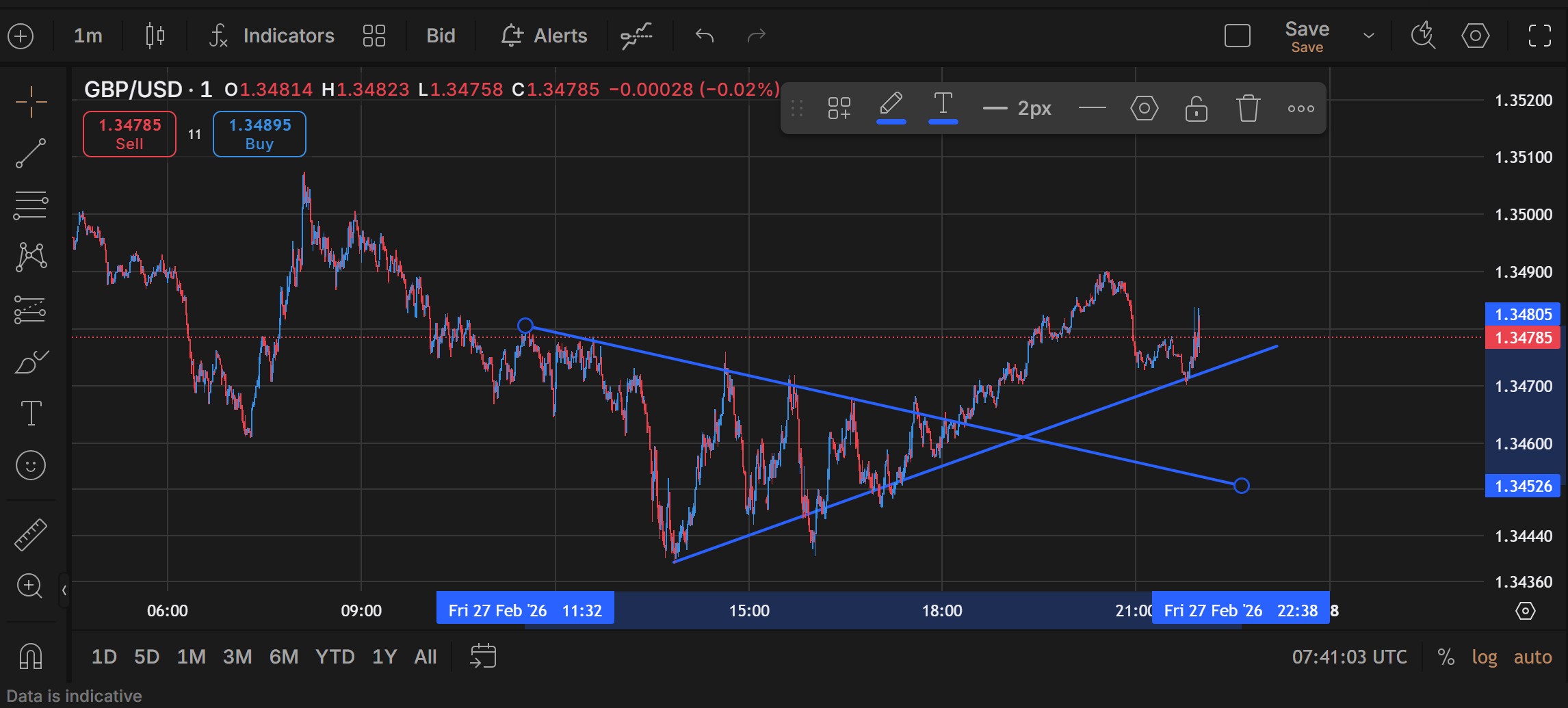
My Honest Ranking After Testing All 7
This is purely based on the deposit-to-first-trade experience — how it felt to go from “I want to try this platform” to “I’ve placed my first real trade.”
| Rank | Platform | Why |
|---|---|---|
| 1 | Capital.com | Fastest to fund, cleanest interface, lowest minimum (£20) |
| 2 | Pepperstone | Zero fees everywhere, instant deposits, connects to MT4/MT5/TradingView |
| 3 | Spreadex | Biggest surprise — £1 minimum, tax-free spread betting, competitive spreads |
| 4 | IG | Most comprehensive once you learn it, but the initial learning curve is real |
| 5 | CMC Markets | Best charting tools, but intimidating for first-time users |
| 6 | eToro | Easiest start, but the withdrawal fees and wider spreads add up |
| 7 | Saxo | Professional-grade, but £500 minimum and slower onboarding aren’t beginner-friendly |
This ranking reflects the deposit-to-trade experience specifically. For ongoing trading costs, platform features, or specific asset classes, the order would look different. See our individual broker reviews for the full picture.
⚠ This is not financial advice. I’m sharing my personal experience testing these platforms with my own money. Trading CFDs and spread betting carry significant risk — most retail accounts lose money. Only trade with money you can afford to lose. If you’re unsure, seek independent financial advice.
FAQs
References
- Financial Conduct Authority – FCA Register
- Financial Services Compensation Scheme – FSCS protection limits
- FCA Register – Capital Com (UK) Limited. FRN: 793714
- FCA Register – IG Markets Limited. FRN: 195355
- FCA Register – Pepperstone Limited. FRN: 684312
- FCA Register – Spreadex Limited. FRN: 202473
- HM Revenue & Customs – Spread betting tax treatment (BIM22015). Available at: gov.uk/hmrc-internal-manuals
For platform comparisons, see our best trading platforms and full broker reviews.