


Quick Answer: Can You Scalp Pepperstone's Raw Spread Through News?
Mostly, yes, and I have the log to show it. Through the Q1 releases I traded, EUR/USD widened from its 0.1-pip average to 0.9 pips through US payrolls and about 1.0 pips around the ECB, then normalised within minutes. My fills came back at a 47ms median, with roughly 78% of orders filling with no slippage at all. A raw spread that bends through news rather than breaking is about as good as any broker can offer. The caveats matter, though: the seconds either side of the print are where slippage lives, the £4.50 round-turn commission never widens but never sleeps either, and no execution statistic saves a scalper from being wrong. Here is the full picture, including the rules the data taught me.

73.6% of retail investor accounts lose money when trading spread bets and CFDs with this provider.
Why Is News the Real Test of a Raw Spread?
Any broker can show you a 0.0-pip spread on a quiet Tuesday afternoon. A scalper does not live on quiet Tuesday afternoons; the trades that make or break the month happen when something is moving, and things move most around scheduled releases. So the only spread statistic I trust is the one recorded when it mattered. For that reason I logged Pepperstone's Razor pricing through the payrolls, ECB and Bank of England releases in my Q1 testing rather than quoting the brochure number.
Why Pepperstone is a fair broker to test this on
Pepperstone openly caters to fast trading rather than tolerating it. There is no dealing desk between your order and execution; the firm's own algorithmic trading material states orders hitting its servers execute at around a 30-millisecond average, with 99.87% of received orders executed; hedging is supported with margin charged only on the larger leg; and its education library teaches scalping strategies on its own platforms. Its current headline stats, execution from 50 milliseconds with a 99.32% fill rate, are footnoted to real Q1 2026 order data rather than plucked from air. This is infrastructure built for the trader this article is about, which makes the stress test worth running.
What Did the Spread Actually Do?
Three releases, one pair each, worst spread I recorded against the liquid-hours average.
| Event | Pair | Average raw spread | Widest at the release |
|---|---|---|---|
| US Non-Farm Payrolls | EUR/USD | 0.1 pips | 0.9 pips |
| ECB rate decision | EUR/USD | 0.1 pips | 1.0 pips |
| Bank of England decision | GBP/USD | 0.42 pips | 1.0 pips |
How should a scalper read that?
A 0.1-pip market going to 0.9 pips is a ninefold widening, which sounds dramatic until you compare it with what the same moment does elsewhere: spread-only accounts routinely quote multiples of that through payrolls, and I have watched lesser brokers show three-pip EUR/USD prints on big releases. Nine-tenths of a pip through the single most traded data point on the calendar, normalising inside minutes, is a spread that stays tradeable. It also means a scalp placed ten seconds before the print pays roughly nine times the usual toll. I stopped doing that years ago.
The part the averages hide
Widening is not symmetrical around the clock. The same EUR/USD market that averaged 0.1 pips through London drifted wider in the dead zone after New York's close, hours no scalper should be working anyway. GBP/USD, my Bank of England pair, runs a naturally wider 0.42-pip average, so its move to 1.0 pips around the decision was a doubling rather than a ninefold jump; percentage drama depends on where you start. Reading your own pair's baseline before judging its news behaviour is the difference between data and anecdote.
What About the Fills Themselves?
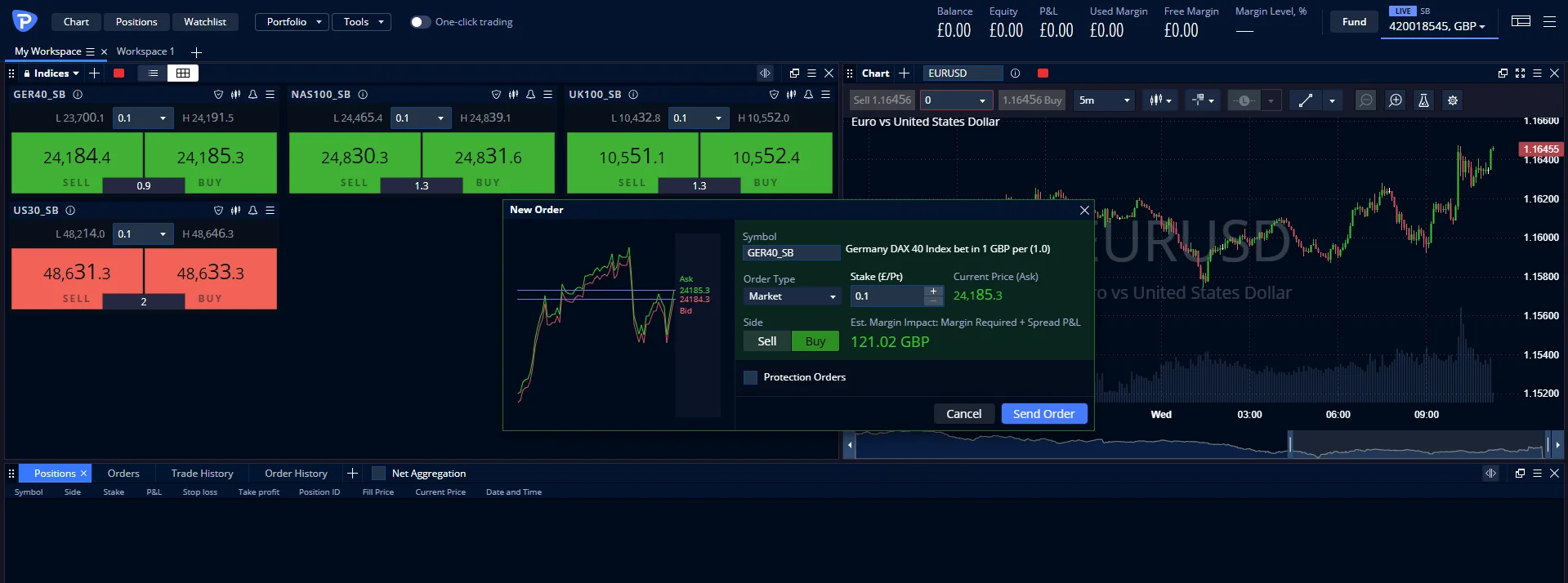
Spread is only half a scalp; the other half is whether the price you clicked is the price you got.
The numbers from my log
Across the test my median fill was 47 milliseconds, and roughly 78% of orders filled with zero slippage. Of the rest, the slips were concentrated exactly where you would expect: the minute around releases and the thin hours after New York closes. Slippage in fast markets is physics, not a broker failing, and I treat any account that claims otherwise as a red flag. What matters is that away from those windows, fills were boringly clean, and boring is the highest compliment a scalper can pay an execution desk.
The commission that never widens
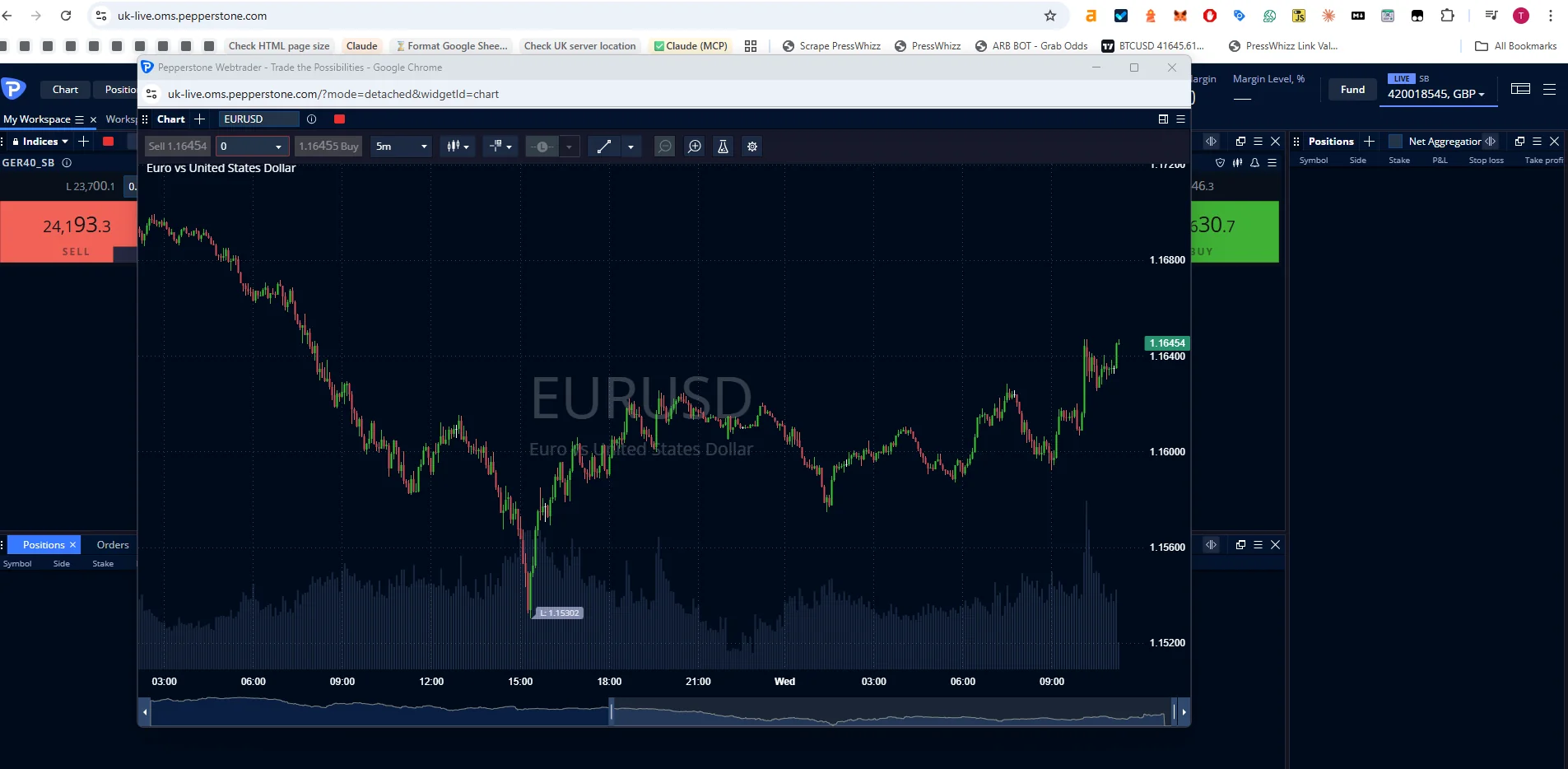
Razor's £2.25 per side, £4.50 per standard lot round turn on a GBP MetaTrader account, is the fixed half of every scalp's cost, and its stability cuts both ways. Through the ECB it is a bargain against the widened spread. On a dead Friday afternoon it is most of what you pay.
The arithmetic that decides if scalping is viable
A scalper doing twenty round turns a day pays £90 a day in commission before the first pip of edge, roughly £1,800 a month at that pace. None of this argues against scalping; it simply sets the bar your average winner has to clear. If your typical profitable scalp banks two pips, about £16 net of the toll per lot, the model works. If your average winner is under a pip, the model does not work, and no broker changes that.
How I Actually Scalp Around News on Razor
The log changed how I trade releases.
Trade the settle, not the print
I do not hold through the number and I do not chase the first spike. The spread is at its widest and the slippage risk at its highest in the seconds around the release; by the time the spread has normalised, usually inside a few minutes, the market has picked a direction with the toll back at a tenth of a pip. That normalised move is the trade. The print itself is a coin toss taxed at nine times the usual rate.
Size down when the calendar is loaded
On payrolls days I halve my usual size and widen my stop to survive the noise band. The 47ms fills mean my stop executes close to where I set it, but no execution speed makes a 0.9-pip spread cost 0.1 pips. Costs scale with volatility whether you notice or not; sizing is the only lever you fully control.
Know the calendar cold
Every rule above depends on knowing when the loud moments are scheduled, so the economic calendar is open before the charts are. Releases are the one form of volatility that arrives by appointment; a scalper surprised by payrolls has made an unforced error rather than run into bad luck.
The Verdict: Does Razor Survive the News?
On my data, yes. The raw spread widens like every raw spread on earth, but it widens to levels that stay tradeable and it snaps back fast, the fills are quick and mostly clean, and the fixed commission makes the whole cost predictable enough to build rules around. Add the practical details, hedging allowed, no dealing desk, a £10 minimum deposit to test any of this yourself on small size, and Razor is one of the few UK accounts I would genuinely call scalper-grade. The wider cost picture, including the per-pair spread table from the same test, lives in my Pepperstone forex review; the per-trade arithmetic gets its own page in my EUR/USD cost log; and my platform comparison covers why cTrader is the tool I scalp on.
FAQs
References
- FCA Register: Pepperstone Ltd. FRN: 684312
- Pepperstone: spreads, swaps and commissions
- Pepperstone: execution statistics (no dealing desk, ~30ms, 99.87%)
- The Investors Centre: how we test brokers (Q1 2026 dataset)