

- expertise:
- Platform Testing, Cryptocurrency, Retail Investing
- credentials:
- Active investor since 2013 · 11+ years experience
- tested:
- 50+ platforms · 200+ guides authored

- expertise:
- CFD Trading, Forex, Derivatives, Risk Management
- credentials:
- Chartered ACII (2018) · Trading since 2012
- tested:
- 40+ forex & CFD platforms with live accounts
How We Test
Real accounts. Real money. Real trades. No demo accounts or press releases.
What we measure:
- Spreads vs advertised rates
- Execution speed and slippage
- Hidden fees (overnight, withdrawal, conversion)
- Actual withdrawal times
Scoring:
Fees (25%) · Platform (20%) · Assets (15%) · Mobile (15%) · Tools (10%) · Support (10%) · Regulation (5%)
Regulatory checks:
FCA Register verification · FSCS protection
Testing team:
Adam Woodhead (investing since 2013), Thomas Drury (Chartered ACII, 2018), Dom Farnell (investing since 2013) — 50+ platforms with funded accounts
Quarterly reviews · Corrections: in**@*******************co.uk
Disclaimer
Not financial advice. Educational content only. We're not FCA authorised. Consult a qualified advisor before investing.
Capital at risk. Investments can fall. Past performance doesn't guarantee future results.
CFD warning. 67-84% of retail accounts lose money trading CFDs. High risk due to leverage.
Contact: in**@*******************co.uk
How to Use Mobile Technology for Finance and Investing?
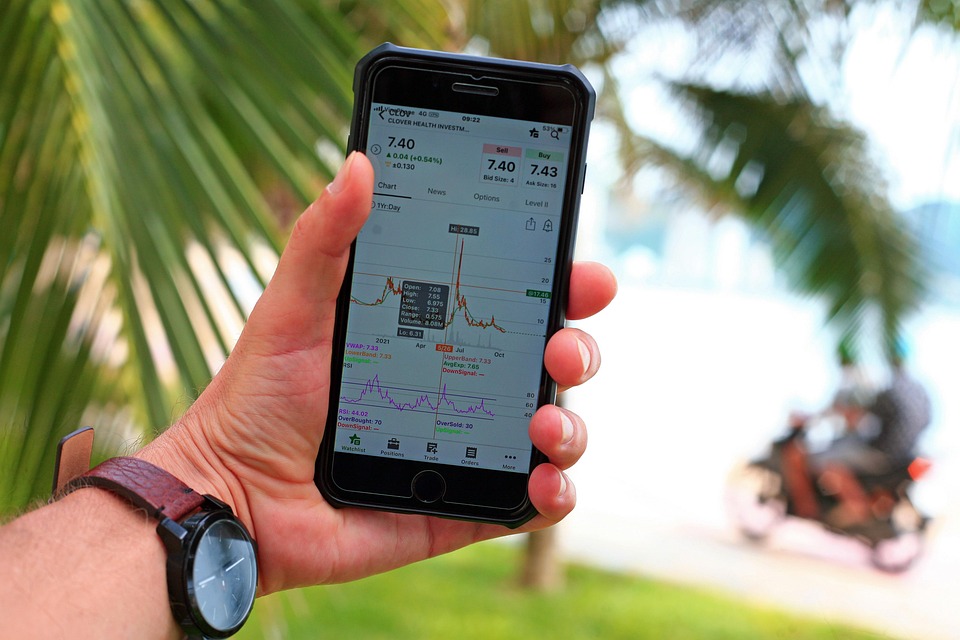
First and foremost, mobile technology has democratized finance and investing. The stock market is no longer a mysterious entity accessible only to the wealthy or those with connections in the financial industry. With just a smartphone and an internet connection, anyone can now participate in financial markets, manage their money, and make informed investment decisions. The number of apps for investing is growing every day, which only proves that investing has become accessible to everyone, even those with $10 in their pocket.
Embracing the Digital Financial Revolution
The Unstoppable Rise of Mobile Financial Services
Consider the transformation: not too long ago, financial management involved physical visits to banks or brokerage firms. The advent of smartphones and financial apps has revolutionized this process, making it accessible and convenient for everyone. At any given moment, whether sipping coffee or commuting to work, you can access your financial portfolio.
Convenience and Accessibility
Picture this: you’re lounging on your couch, and suddenly, you remember a bill is due. No need to rush to a computer or bank; a few taps on your smartphone, and it’s taken care of. Mobile financial services have eradicated the barriers of time and space, providing unparalleled convenience. Furthermore, these services cater to all, from tech-savvy millennials to retirees seeking ease in managing their finances.
Security Concerns: Addressing the Elephant in the Room
Security in mobile financial transactions is paramount. Financial apps employ state-of-the-art encryption, two-factor authentication, and biometric verification to safeguard your data. While absolute security remains a myth, following best practices—such as updating apps regularly and using strong passwords—can significantly reduce risks.
Personal Finance Management: The Backbone of Financial Health
Budgeting Apps: Your Financial Compass
Think of budgeting apps as your financial compass, guiding you through the complexities of personal finance. Applications like Mint, YNAB (You Need a Budget), and PocketGuard offer intuitive interfaces and robust features.
- Mint : Aggregates all your financial information, categorizes expenses, and provides alerts on unusual activities.
- YNAB : Advocates for proactive budgeting by assigning every dollar a job, which is perfect for debt elimination or aggressive saving.
- PocketGuard : Shows what you can spend after accounting for bills and savings goals, thus preventing overspending.
Expense Tracking: The Devil is in the Details
Tracking every penny can be tedious, but apps like Expensify and Goodbudget simplify this task. Expensify is a boon for business travelers with its easy expense report creation, while Goodbudget uses the envelope budgeting system to help allocate funds effectively.
Mobile Banking: Your Bank in Your Pocket
Traditional Banks’ Mobile Apps
Most major banks offer mobile apps with comprehensive features. Whether you bank with Chase, Bank of America, or Wells Fargo, these apps allow you to:
- Check account balances
- Transfer funds between accounts
- Pay bills instantly
- Deposit checks using your phone’s camera
Technology has also changed a lot of things that surround financial management. Although with the advent of finance apps, you have to interact with banks and financial firms in person less often, this need has not disappeared. The most reliable way to send documents is to use digital faxing. Now the fax app is not just an analogue of a fax machine, but a superior fax transmission option. The fax from the iPhone application can send, receive, sign, digitize and store documents, and safely.
The Emergence of Online-Only Banks
Online-only banks such as Chime and Ally Bank are shaking up the industry. They typically offer higher interest rates on savings accounts and fewer fees. Designed with a mobile-first approach, their apps provide an excellent user experience.
Investing via Mobile: Opportunities at Your Fingertips
Stock Trading Apps: Democratizing Investment
Once an exclusive domain, stock trading is now accessible to everyone through apps like Robinhood, E*TRADE, and TD Ameritrade.
- Robinhood : Renowned for its commission-free trades and simple interface, making it ideal for beginners.
- E*TRADE : Offers a comprehensive suite of tools for more seasoned investors.
- TD Ameritrade : Boasts extensive educational content and a powerful trading platform.
Robo-Advisors: Investing on Autopilot
Prefer a hands-off approach? Robo-advisors like Betterment and Wealthfront might be your answer. They use algorithms to manage your investment portfolio, tailoring it to your risk tolerance and financial goals. Features like tax-loss harvesting and automatic rebalancing optimize your returns.
Cryptocurrency Trading: The New Frontier
Cryptocurrencies have surged in popularity, and apps like Coinbase and Binance facilitate trading in this volatile market. While the risks are high, these platforms provide educational resources to help you navigate the crypto world.
Advanced Tools and Features: Maximizing Your Financial Strategy
Financial Planning Apps: A Holistic Approach
Apps like Personal Capital and Quicken provide a comprehensive view of your financial health. They integrate all your accounts, from checking to retirement, giving you a holistic picture.
- Personal Capital : Excels in investment tracking and retirement planning.
- Quicken : Offers detailed budgeting, bill management, and investment tracking.
AI and Machine Learning: The Future is Here
Artificial intelligence (AI) and machine learning are making waves in mobile finance. Apps like Cleo and Albert use AI to provide personalized financial advice. Cleo, a chatbot, helps you manage money through casual conversation, while Albert analyzes your habits to suggest savings and investment opportunities.
Staying Informed: Knowledge is Power
Financial News Apps: Stay Ahead of the Curve
Apps like Bloomberg, CNBC, and MarketWatch ensure you stay updated with real-time financial news and market data. Customizable alerts keep you informed about market movements and economic events that matter to your investments.
Educational Resources: Never Stop Learning
Many financial apps include educational content to improve your financial literacy. For instance, E*TRADE offers webinars and tutorials on investment topics, while platforms like Coursera and Udemy provide courses on personal finance.
Practical Tips for Using Mobile Financial Apps: Best Practices
Strong Passwords and Biometric Authentication
Use strong, unique passwords and enable biometric authentication (fingerprint or facial recognition) for enhanced security. These steps add layers of protection to your financial data.
Regular Account Monitoring
Frequently check your accounts for unauthorized transactions. Set up notifications for large transactions or account changes to stay vigilant.
Leveraging Alerts and Notifications
Customize alerts to stay on top of bills, track spending, and monitor investment performance. These notifications can help you avoid late fees and missed investment opportunities.
Keeping Apps Updated
Regularly updating your financial apps ensures you benefit from the latest security features and functionalities. Developers continually improve apps to provide better user experiences and enhanced security.
Continuous Education
Stay informed about new features and tools within your financial apps. Many apps offer tutorials and guides—make use of these resources to maximize their potential.
Conclusion
The integration of mobile technology into finance and investing has opened up a world of possibilities. From budgeting and expense tracking to stock trading and cryptocurrency investment, the capabilities are vast and growing. By harnessing these tools, you can take control of your financial future with unprecedented ease and flexibility. Always remember, while technology offers convenience and power, staying informed and vigilant is key to making the most of these advancements.