

- expertise:
- CFD Trading, Forex, Derivatives, Risk Management
- credentials:
- Chartered ACII (2018) · Trading since 2012
- tested:
- 40+ forex & CFD platforms with live accounts

- expertise:
- Platform Testing, Cryptocurrency, Retail Investing
- credentials:
- Active investor since 2013 · 11+ years experience
- tested:
- 50+ platforms · 200+ guides authored
How We Test
Real accounts. Real money. Real trades. No demo accounts or press releases.
What we measure:
- Spreads vs advertised rates
- Execution speed and slippage
- Hidden fees (overnight, withdrawal, conversion)
- Actual withdrawal times
Scoring:
Fees (25%) · Platform (20%) · Assets (15%) · Mobile (15%) · Tools (10%) · Support (10%) · Regulation (5%)
Regulatory checks:
FCA Register verification · FSCS protection
Testing team:
Adam Woodhead (investing since 2013), Thomas Drury (Chartered ACII, 2018), Dom Farnell (investing since 2013) — 50+ platforms with funded accounts
Quarterly reviews · Corrections: in**@*******************co.uk
Disclaimer
Not financial advice. Educational content only. We're not FCA authorised. Consult a qualified advisor before investing.
Capital at risk. Investments can fall. Past performance doesn't guarantee future results.
CFD warning. 67-84% of retail accounts lose money trading CFDs. High risk due to leverage.
Contact: in**@*******************co.uk
Quick Answer — Is OKX Safe to Use?
OKX implements strong technical safeguards such as cold wallet storage and two-factor authentication, but it still lacks full regulatory coverage in major jurisdictions like the UK. While the platform is generally considered safe, users should take a cautious approach—activating all available security features and limiting the amount of crypto held on the exchange.
Authors Comments
From my experience, OKX feels technically secure but lacks the reassurance that comes with proper regulation. Trading on it never felt unsafe, but the absence of FCA oversight made me cautious. It's fine for short-term activity, yet I wouldn't treat it as a long-term storage solution.

Don’t invest unless you’re prepared to lose all the money you invest. This is a high-risk investment and you should not expect to be protected if something goes wrong. Take 2 mins to learn more. This marketing communication does not constitute investment advice, a solicitation, or an offer to buy or sell any cryptoassets. In no way are performance or results guaranteed. You should keep yourself informed and understand the risks involved in buying and holding cryptoassets.
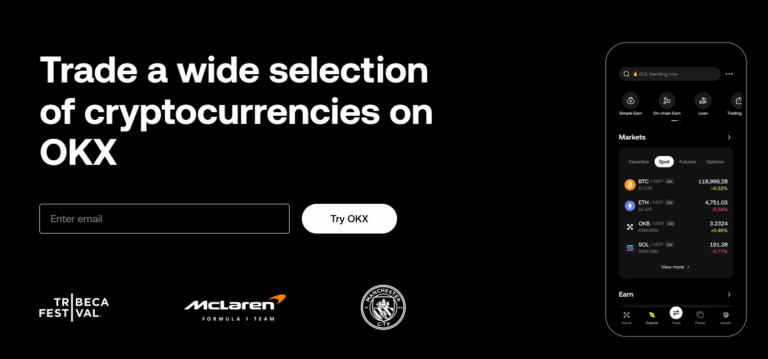
How Safe Is OKX for Storing Crypto?
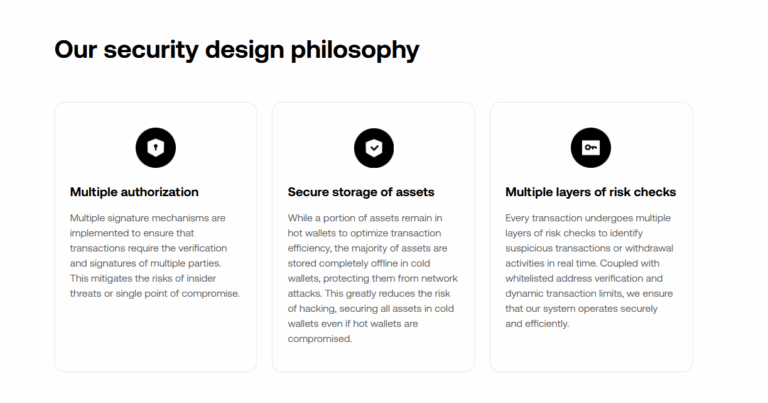
OKX is secure for active trading but not ideal for long-term storage. While most funds are held offline and advanced protections exist, exchange custody always carries risk. Serious investors should combine OKX with external wallets for maximum protection and peace of mind.
Does OKX Use Cold Storage for Funds?
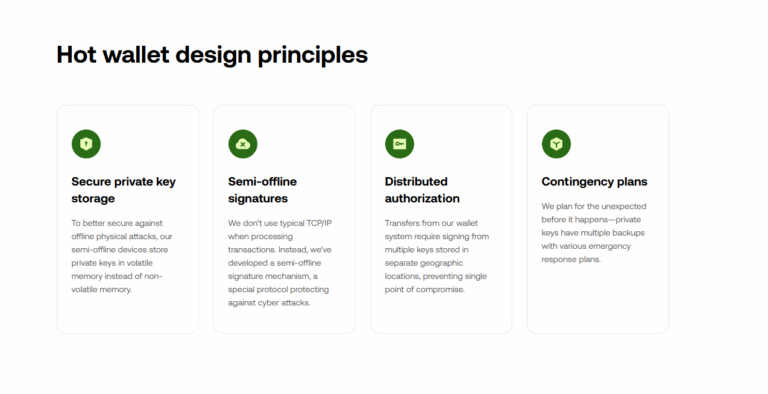
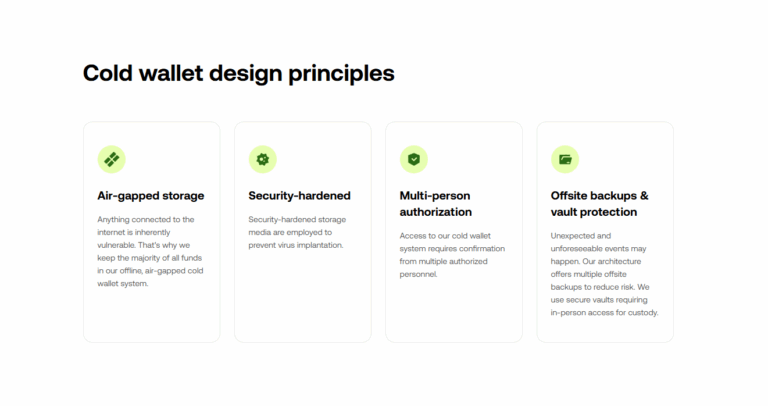
Yes. The majority of user assets are stored in cold wallets, reducing hacking risks. Only a small portion remains in hot wallets for liquidity needs. This layered approach limits exposure, though users remain reliant on OKX's internal security and operational controls.
What Insurance or Reserve Protections Does OKX Have?
OKX operates a risk reserve fund to cover unexpected losses, but it doesn't provide blanket insurance like a bank. While better than nothing, coverage is limited, meaning user funds still face counterparty risk compared to insured or decentralized custody solutions.
How Does OKX Handle Withdrawals and Private Keys?
Users don't control private keys on OKX. Withdrawals require verification steps, including 2FA and sometimes manual reviews, adding security layers. While this helps prevent theft, the lack of direct key ownership means users must trust OKX's custody systems for fund safety.
What Security Features Does OKX Offer Users?
OKX provides industry-standard protections, including 2FA, anti-phishing codes, suspicious login alerts, and withdrawal whitelists. These features safeguard accounts from unauthorized access and scams. While effective, users must enable them actively, since account security ultimately depends on both the platform and personal practices.
Is Two-Factor Authentication (2FA) Supported?
Yes. OKX supports Google Authenticator and SMS-based 2FA for logins, withdrawals, and security changes. This prevents unauthorized account access, even if passwords are stolen. Users are encouraged to prioritize authenticator apps over SMS for stronger protection against SIM swap attacks.
Does OKX Provide Anti-Phishing and Login Alerts?
Yes. OKX lets users set anti-phishing codes on emails, ensuring authenticity. It also issues alerts for suspicious logins and account changes. These measures help prevent phishing attacks and unauthorized activity, but users should remain cautious with email links and device security.
Are There Withdrawal Whitelists and Advanced Protection Tools?
Yes. OKX allows users to whitelist withdrawal addresses, ensuring funds can only leave accounts to pre-approved wallets. Advanced security tools include biometric logins and device authorization. Together, these measures significantly reduce risks from hacks or phishing scams targeting user withdrawals.
Is OKX Regulated and Compliant in 2025?
OKX follows Know Your Customer (KYC) and Anti-Money Laundering (AML) standards but lacks universal regulatory coverage. Availability depends on local rules, with stronger compliance in some jurisdictions than others. Users must check whether OKX is licensed and permitted in their specific country.
Which Countries Allow OKX?
OKX operates in many regions, including Asia, Europe, and parts of Latin America. However, it is restricted in the U.S. and some regulated markets. Local rules vary, so availability depends on each country's stance toward centralized crypto exchanges in 2025.
Does OKX Hold Regulatory Licenses?
OKX holds regulatory registrations in certain jurisdictions, though it lacks comprehensive licensing like Coinbase or Kraken. Licensing generally covers operational compliance rather than full investor protection. Users should view OKX as partially regulated but not universally recognized as a licensed financial institution.
How Does OKX Handle KYC and AML Compliance?
OKX requires identity verification for most functions, including fiat deposits and large withdrawals. Its KYC process collects documents and biometrics, while AML measures monitor suspicious transactions. This improves platform credibility but may deter privacy-conscious users seeking minimal disclosure.
| Level | Requirements | Limits |
|---|---|---|
| Basic | Email/phone | Very limited trading |
| Intermediate | ID + selfie | Higher withdrawals |
| Advanced | Proof of address + extra docs | Maximum limits |
Has OKX Ever Been Hacked?
OKX has not reported major hacks affecting user funds, distinguishing it from some competitors. Minor security issues have surfaced historically but were quickly contained. Its strong track record builds trust, though users should still follow best practices, since no exchange is risk-free.
What Are the Risks of Using OKX?
While technically secure, OKX carries risks common to centralized exchanges. These include counterparty dependence, regulatory uncertainty, volatile market products, and user-related vulnerabilities. Awareness and risk management are critical, as safety depends on both the platform's protections and how responsibly users manage accounts.
Counterparty Risk (CEX vs Self-Custody)
On OKX, users rely on the exchange to safeguard funds, creating counterparty risk. Unlike self-custody wallets, where users control private keys, centralized exchanges can freeze, restrict, or lose assets. Diversifying storage into personal wallets reduces exposure and provides greater independence.
Regulatory Risk (Bans or Restrictions)
OKX operates under varying regulations. Sudden bans, restrictions, or changes in licensing could limit access or disrupt services. Users in stricter jurisdictions may face sudden account lockouts. Staying updated on local crypto laws helps mitigate risks tied to compliance uncertainty.
User Risk (Phishing, Weak Security Practices)
Many exchange breaches occur through phishing emails, malware, or poor user habits rather than platform failure. Weak passwords, reused credentials, or ignoring 2FA settings make accounts vulnerable. Users must combine OKX's protections with disciplined personal cybersecurity for safe long-term use.
Final Verdict — Is OKX Safe in 2026?
OKX has built a reputation for solid technical protection, resilient infrastructure, and a clean track record with no major security breaches. That said, its regulatory position is still evolving, and keeping funds on the exchange long term carries added risk. While OKX is generally suitable for active trading, best practice is to use an external wallet and enable every available security feature to maximise protection.
Discuss OKX
Traded on OKX? Share your experience of its security and regulation, ask questions, or help other UK users decide. Our community earns Equity for quality contributions.
Discussion 0 comments
Be the first to start discussing this topic! Log in or create an account to share your thoughts.
Log In Create AccountFAQs
References
Don’t invest unless you’re prepared to lose all the money you invest. This is a high-risk investment and you should not expect to be protected if something goes wrong. Take 2 mins to learn more
No comments yet. Be the first to start discussing this topic!