

- expertise:
- CFD Trading, Forex, Derivatives, Risk Management
- credentials:
- Chartered ACII (2018) · Trading since 2012
- tested:
- 40+ forex & CFD platforms with live accounts

- expertise:
- Platform Testing, Cryptocurrency, Retail Investing
- credentials:
- Active investor since 2013 · 11+ years experience
- tested:
- 50+ platforms · 200+ guides authored
How We Test
Real accounts. Real money. Real trades. No demo accounts or press releases.
What we measure:
- Spreads vs advertised rates
- Execution speed and slippage
- Hidden fees (overnight, withdrawal, conversion)
- Actual withdrawal times
Scoring:
Fees (25%) · Platform (20%) · Assets (15%) · Mobile (15%) · Tools (10%) · Support (10%) · Regulation (5%)
Regulatory checks:
FCA Register verification · FSCS protection
Testing team:
Adam Woodhead (investing since 2013), Thomas Drury (Chartered ACII, 2018), Dom Farnell (investing since 2013) — 50+ platforms with funded accounts
Quarterly reviews · Corrections: in**@*******************co.uk
Disclaimer
Not financial advice. Educational content only. We're not FCA authorised. Consult a qualified advisor before investing.
Capital at risk. Investments can fall. Past performance doesn't guarantee future results.
CFD warning. 67-84% of retail accounts lose money trading CFDs. High risk due to leverage.
Contact: in**@*******************co.uk
Quick Answer: Is Trading 212 FSCS Protected?
Yes — Trading 212 is covered by the FSCS for up to £85,000, protecting client cash held in segregated accounts if the firm fails. However, FSCS does not cover investment losses, so always understand market risks and Trading 212's custody structure.

Welcome bonus for new UK clients — deposit & receive free shares. Stocks only, 90-day hold applies.
- Deposit £500 – £999Get £40
- Deposit £1k – £4,999Get £100
- Deposit £5k – £9,999Get £300
- Deposit £10,000+Get £500
Get up to £10,000 cashback on your first ISA deposit (min £500) or ISA transfer (£15,000+). Paid into your non-ISA balance.
- Bronze, Silver, Gold2% Cashback
- Platinum, Platinum+2.5% Cashback
- Diamond3% Cashback
CFDs are complex instruments and come with a high risk of losing money rapidly due to leverage. 52% of retail investor accounts lose money when trading CFDs with this provider. You should consider whether you understand how CFDs work, and whether you can afford to take the high risk of losing your money.
What is the FSCS & How Does It Protect You?
The FSCS is the UK's financial safety net, compensating eligible customers if authorised firms like brokers or banks fail. It's designed to protect your cash deposits and certain investments up to £85,000, providing critical peace of mind for UK investors.
What is the Financial Services Compensation Scheme (FSCS)?
The FSCS is an independent UK scheme that protects consumers when financial firms collapse. If Trading 212 were to fail, the FSCS can cover up to £85,000 of eligible client money, helping safeguard your cash from insolvency-related losses.
How Does FSCS Compare to Other Protection Schemes?
Unlike private insurance, the FSCS is a government-backed statutory scheme. It differs from investor protection rules in the EU or US SIPC by focusing on UK consumers and offering fixed cash limits, making it crucial to know exactly what's covered.
Who Regulates Trading Platforms Like Trading 212?
Trading 212 is regulated by the UK's Financial Conduct Authority (FCA), which enforces strict rules on client fund segregation, reporting, and conduct. This oversight ensures platforms meet high standards, reducing the risk of fraud or mismanagement that triggers FSCS claims.
Is My Trading 212 Account Covered by FSCS?
Trading 212 clients benefit from FSCS protection on cash balances up to £85,000 if the firm collapses. However, coverage varies by account type, and investment losses due to market moves are never insured. Knowing which accounts qualify helps secure your capital.
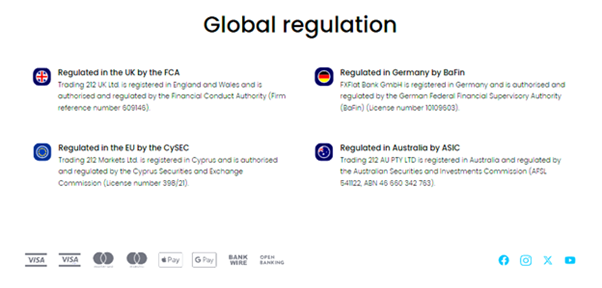
Which Trading 212 Accounts Qualify for FSCS Protection?
FSCS protection applies to Trading 212's ISA and Invest accounts for cash held in client money accounts. CFD positions generally don't qualify under FSCS, as losses there stem from trading performance, not broker insolvency. Always check exact terms in Trading 212 disclosures.
What Happens If Trading 212 Goes Bust?
If Trading 212 fails financially, the FSCS may compensate you for eligible cash up to £85,000. Meanwhile, your stocks are typically held by custodians, separate from Trading 212's own funds, helping protect your assets during insolvency proceedings beyond the FSCS limit.
Are Client Funds Safe with Trading 212?
Trading 212 uses strict measures to protect client money. Funds are held in segregated bank accounts, kept separate from the company's own finances. Combined with FCA oversight, this greatly reduces the risk of your cash being misused if Trading 212 encounters problems.
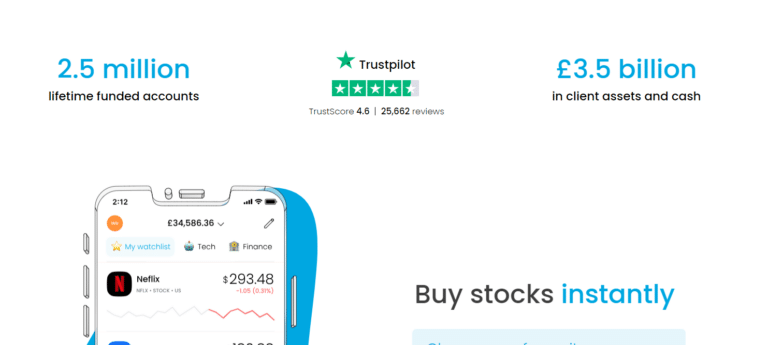
How Does Trading 212 Safeguard Client Money?
Client deposits are placed in segregated accounts at reputable banks, meaning Trading 212 cannot use these funds for its own operations. This structure ensures your money is legally ring-fenced and returned to you if the broker becomes insolvent.
What Other Security Measures Does It Use?
Trading 212 also performs daily reconciliation of client balances, complies with strict FCA reporting, and uses multi-layered IT security to protect accounts. While these don't prevent market losses, they help safeguard your capital from broker mismanagement or fraud.
What Does FSCS Not Cover on Trading 212?
The FSCS does not protect you from losing money due to poor trades or market downturns. It also generally doesn't cover CFD losses, since these result from leverage and volatility, not broker failure. Understanding these gaps is key to managing your risk.
Are CFD or Share Trading Accounts Protected?
FSCS only steps in if Trading 212 fails as a firm, not if your investments lose value. For CFDs, losses from price swings or leverage aren't insured. Shareholdings may be held with custodians, adding a separate layer of safety beyond FSCS coverage.
What Risks Remain Even With FSCS?
FSCS only covers eligible cash up to £85,000. If your balance exceeds that, or if your investments drop due to market volatility, you bear those risks. This makes it vital to diversify and consider additional security steps like stop-losses.
How Can You Check If FSCS Covers Your Trading 212 Account?
It's smart to confirm your FSCS eligibility before problems ever arise. This ensures you know exactly how much protection applies to your funds if Trading 212 fails, and what additional safeguards or diversification steps you might need to take.
Simple Steps to Verify Your Protection
Check Trading 212's FCA registration on the Financial Services Register. Review your account type — ISA and Invest cash are typically protected under FSCS rules. Look for statements in Trading 212's client agreements outlining how segregated funds qualify for compensation.
What To Do If You're Not Covered
If you hold large balances or accounts outside FSCS scope, diversify by using multiple brokers or moving funds to a UK bank account. Consider additional safeguards like using limit orders or non-custodial investments that don't rely on broker solvency.
Pros & Cons of FSCS Protection with Trading 212
Pros
- FSCS covers cash up to £85,000 if Trading 212 fails
- Funds held in segregated accounts with top-tier banks
- Overseen by the FCA, adding trust
Cons
- Doesn't protect investment losses from markets or leverage
- Coverage limit may not fully cover large accounts
- Some complex instruments (like CFDs) generally excluded
Final Thoughts: Is Trading 212 Safe for Your Money?
Trading 212 is regulated by the FCA, keeps client money segregated, and offers FSCS protection on eligible cash. While that safeguards you from broker failure, market losses remain your risk. Combine Trading 212's protections with smart security practices and diversification to trade confidently.
What's Changed in 2026?
The FSCS compensation limit is £85,000 per eligible person, per firm for investment accounts. Trading 212 continues to operate under full FCA authorisation, with client funds held in segregated accounts at major UK banks. There haven't been any major changes to how FSCS protection works or which Trading 212 accounts qualify. The platform's user base has grown significantly, but its regulatory structure and client money protections remain consistent. As always, FSCS doesn't cover market losses — only firm insolvency.
Discuss Trading 212 FSCS Protection
Got questions about how FSCS protection works with Trading 212? Share your experience or ask other UK investors about keeping your money safe. Our community earns Equity for quality contributions.
Discussion 0 comments
Be the first to start discussing this topic! Log in or create an account to share your thoughts.
Log In Create AccountFAQs
References
52% of retail CFD accounts lose money when trading CFDs with this provider.
No comments yet. Be the first to start discussing this topic!