
- expertise:
- CFD Trading, Forex, Derivatives, Risk Management
- credentials:
- Chartered ACII (2018) · Trading since 2012
- tested:
- 40+ forex & CFD platforms with live accounts

- expertise:
- Broker Comparison, ISA Strategy, Portfolio Management
- credentials:
- Active investor since 2013 · 11+ years experience
- tested:
- 40+ brokers with funded accounts
How We Test
Real accounts. Real money. Real trades. No demo accounts or press releases.
What we measure:
- Spreads vs advertised rates
- Execution speed and slippage
- Hidden fees (overnight, withdrawal, conversion)
- Actual withdrawal times
Scoring:
Fees (25%) · Platform (20%) · Assets (15%) · Mobile (15%) · Tools (10%) · Support (10%) · Regulation (5%)
Regulatory checks:
FCA Register verification · FSCS protection
Testing team:
Adam Woodhead (investing since 2013), Thomas Drury (Chartered ACII, 2018), Dom Farnell (investing since 2013) — 50+ platforms with funded accounts
Quarterly reviews · Corrections: in**@*******************co.uk
Disclaimer
Not financial advice. Educational content only. We're not FCA authorised. Consult a qualified advisor before investing.
Capital at risk. Investments can fall. Past performance doesn't guarantee future results.
CFD warning. 67-84% of retail accounts lose money trading CFDs. High risk due to leverage.
Contact: in**@*******************co.uk
Quick Answer: What are the best Courses to learn trading for free in the UK?
Top UK platforms like eToro, IG Academy, and OpenLearn offer high-quality, free trading courses. They’re FCA-regulated, beginner-friendly, and perfect for building skills before going live. Start learning smart with no cost, no pressure, and all the tools you need to trade with confidence.
What’s New for 2026?
Free trading education continues to improve heading into 2026. Broker-backed academies like eToro and IG have expanded their video libraries and webinar schedules, while platforms like Trading 212 now offer more interactive in-app lessons. With markets remaining volatile and UK retail trading participation at record highs, there’s never been a better time to invest in your trading education before risking real capital.
Featured - eToro Academy
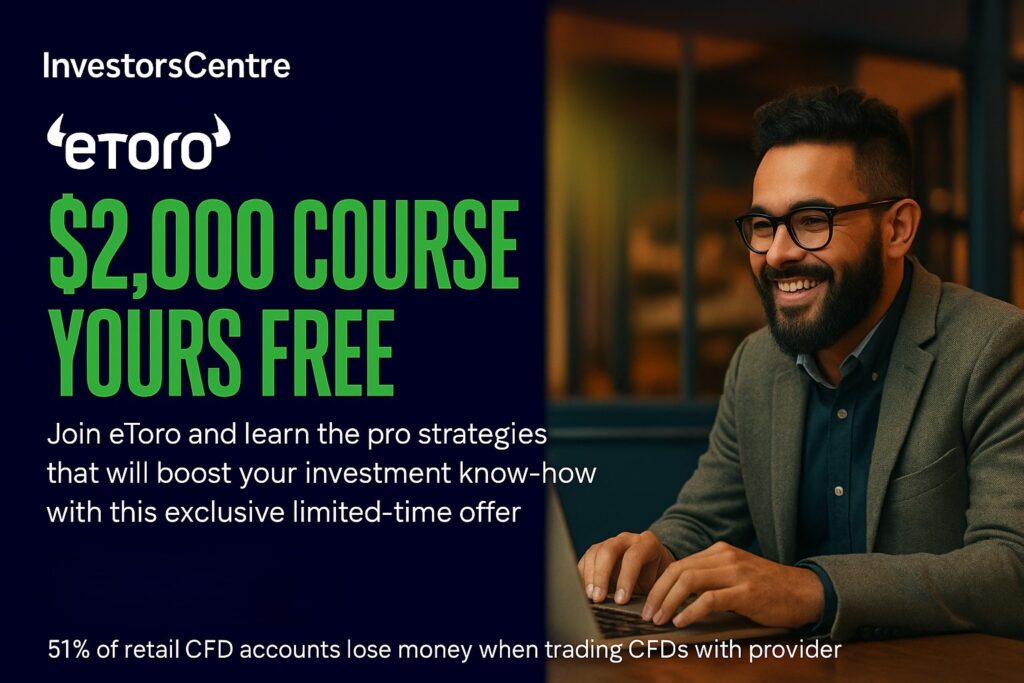
The Investors Centre has teamed up with eToro to bring you this exclusive free acess to a trading course worth over $2,000. Join eToro and you can unlock access to their paid course: Advanced Aspects of Trading
Where Can You Learn to Trade for Free in the UK?
If you’re based in the UK and want to learn the ropes without spending a penny, you’ve got more choices than you might expect.
I’ve personally explored a bunch of platforms over the years, and I always come back to one key point: the best learning tools are the ones that combine regulation, structure, and real-world relevance. Below are some of the standout broker-backed resources I’ve either used myself or recommended to beginner traders who’ve asked me where to start.
eToro Trading Academy
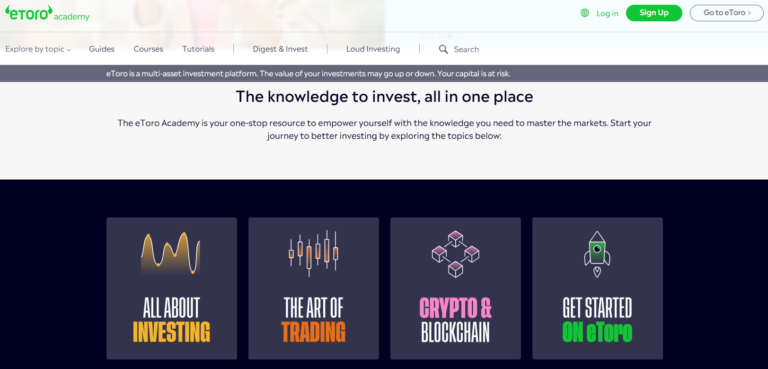
This is the one I recommend the most—especially for beginners. eToro is FCA-regulated, and their academy is packed with video tutorials, webinars, and even trading guides that feel super beginner-friendly without being basic.
We have teamed up with eToro to bring you this exclusive free acess to a trading course worth over $2,000. Join eToro and you can unlock access to their paid course: Advanced Aspects of Trading
With eToro I also enjoy the fact that you can practise on a demo account while you learn, which makes the theory much easier to apply.
61% of retail CFD accounts lose money when trading CFD’s with this provider.
IG Academy
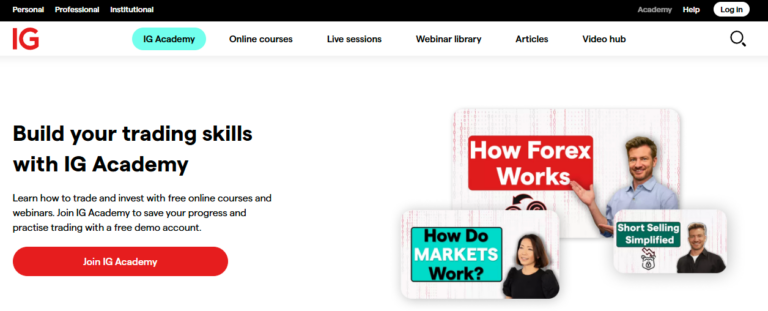
IG’s educational content is probably the most structured of the bunch. Their platform is also mobile-friendly, which helped me fit in lessons while commuting. Whether you’re brand new or want to dive deeper into strategies, it scales well from beginner to advanced.
68% of retail investor accounts lose money when trading spread bets and CFDs with this provider.
CMC Markets Learn
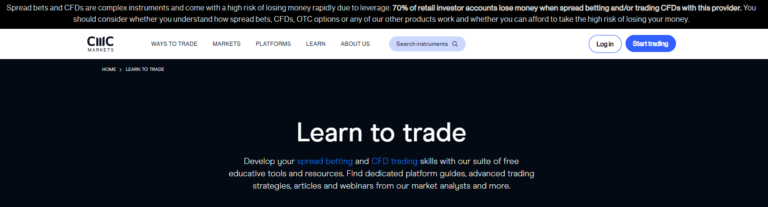
If you’re more into strategy and want to keep up with market news, CMC’s learning hub is worth a look. I found their webinars and articles to be practical and fairly digestible, although it leans more towards those who already have some market knowledge.
64% of retail investor accounts lose money when trading CFDs with this provider
Plus500 Learn Centre
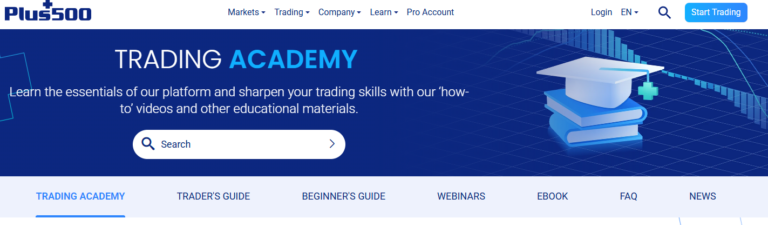
This one is super beginner-friendly—short videos, clear explanations, and not overwhelming at all. I’d say it’s great if you’re just dipping your toes into the trading world.
68% of retail CFD accounts lose money.
Trading 212
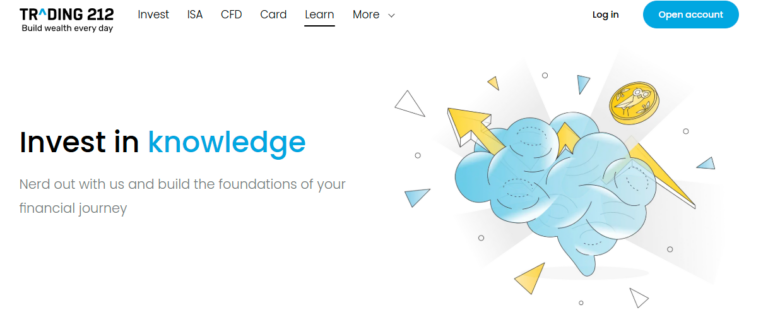
Their in-app lessons are quick and punchy. I used them as a reference when testing strategies in their demo environment. Not as in-depth as IG or eToro, but a great place to start.
Platform Comparison
| Platform | Cost | Content Type | Level | Regulated by the FCA in the UK? |
|---|---|---|---|---|
| eToro | Free | Videos, webinars | Beginner–Int | Yes |
| IG Academy | Free | Courses, quizzes | All Levels | Yes |
| CMC Markets | Free | Articles, webinars | Beginner | Yes |
| Plus500 | Free | Short videos | Beginner | Yes |
| Trading 212 | Free | In-app video lessons | Beginner | Yes |
Which UK Institutions Offer Free or Low-Cost Trading Education?
If you’re after a more academic or structured learning path, some brilliant UK-based institutions are offering free or affordable trading and investing courses. I’ve tried a few myself, and they’re a great way to build a solid foundation—especially if you prefer a traditional approach to learning.
London Academy of Trading (LAT) – LAT often comes up when people ask about serious trading education in the UK. While their main programs are paid, they offer free tasters and webinars.
OpenLearn by the Open University – OpenLearn is a hidden gem; the “Managing My Investments” module is completely free, interactive, and ideal for UK investors. I recommend it to anyone who wants to understand markets without diving straight into trading.
City, University of London – City offers free online courses through FutureLearn and Coursera. They’re a bit heavier on theory, but I found “Introduction to Investment Management” helpful when moving beyond the basics.
University of Reading, Behavioural Finance – Reading’s finance content is brilliant if you’re curious about why traders often make emotional decisions.
| Institution | Course Name | Format | Cost | Ideal For |
|---|---|---|---|---|
| London Academy of Trading | Intro to Financial Markets | Online video | Free | Beginners |
| OpenLearn | Managing My Investments | Interactive | Free | Budget-conscious DIYers |
| City, University of London | MOOC-style investing courses | Self-paced | Free/£ | Intermediate learners |
| University of Reading | Behavioural finance content | Lecture-based | Free/£ | Academically curious |
What Should You Look for in a Quality Trading Course?
Not all trading education is created equal. Just because something’s free (or even paid) doesn’t mean it’s worth your time. So, how do you spot a practical course?
Key Features I Always Look For
First, if a course is tied to a leading trading platform, I make sure the provider is FCA-regulated—that’s a non-negotiable for me here in the UK. If they’re regulated, it means they’re held to a much higher standard of accountability.
Next, I look for structured content with some kind of progress tracking. Whether it’s quizzes, checkpoints, or course modules that build on each other, a good course keeps you on track instead of just dumping information at you.
Interactive elements like trading simulators or mini-assessments are a huge plus. They help turn theory into something you can actually apply — especially when combined with real-world examples that show you how markets actually behave.
How to Spot a Scam
If something feels off, trust your gut. A few red flags I always steer clear of:
- Flashy claims like “Turn £500 into £5,000 in 2 weeks!”
- No clear information about who’s running the course
- Hidden paywalls after sign-up
- No reviews or community feedback
On the flip side, verified reviews, mentions of FCA regulation, and a clear course outline are all green flags for me.
A good tip: Before you commit to any course, check out reviews on Trustpilot, scroll through Reddit r/UKInvesting, or search for experiences in relevant trading forums. You’ll get a much more honest picture than any sales page can offer.
Can You Learn to Trade from YouTube or Social Media?
I’ve actually picked up a lot from YouTube over the years. When I first started, I’d spend nights watching videos and Googling terms I didn’t understand. It wasn’t the most efficient way to learn, but it was free and surprisingly helpful. Platforms like YouTube, TikTok, and Instagram offer quick breakdowns of forex trading strategies, which is great for visual learners.
The downside? There’s no structure, verification and it’s easy to fall down the wrong rabbit hole. Plus, not every creator is credible—some promote risky strategies to new traders. Always verify a source before following any advice.
What is the Best Free Trading Course in the UK for Beginners?
If you’re just starting out, eToro is my top recommendation. Their free trading academy is genuinely one of the easiest ways to build knowledge and confidence.
It’s not just a collection of videos either—their content is organised, beginner-friendly, and walks you through the fundamentals you need to know to get started safely.
What I really enjoy is how they combine video tutorials, live webinars, and written guides, offering different learning methods to suit your preferences. eToro Academy does a great job of covering key areas, such as risk management, market analysis, and trading psychology—all crucial for building a solid foundation.
Another big advantage? You can practise everything you learn straight away using their free demo account, which simulates real market conditions without risking any of your money. In my experience, having that hands-on practise alongside the theory made a massive difference when it was time to trade live.
What Should I Learn First as a Beginner?
If I could go back to when I first started trading, I’d focus on building a proper foundation, because skipping the basics only leads to frustration and losses.
Here’s what I recommend all beginners start with:
- Risk management:. Discover how to optimise your position sizing, establish effective stop-losses, and effectively manage your exposure.
- Order types and chart basics: You should understand concepts such as market vs. limit orders, support and resistance levels, and candlestick patterns.
- Technical vs fundamental analysis: You’ll probably lean towards one or the other over time, but it’s essential to understand how both work.
- Trading psychology: This was a game-changer for me. Knowing how to manage your emotions is just as important as any strategy
Beginner Roadmap:
Learn → Practise → Demo → Go Live
Follow that sequence, and you’ll avoid most of the common beginner mistakes.
A Quick Introduction to Financial Markets
At its core, the economic market is a structured network where different asset classes—such as stocks, bonds, commodities, and currencies—are traded. You are trading on a number of major global markets operating 24/7, and each one is driven by different types of participants, from everyday retail investors to massive institutional players.
Getting familiar with market terminology like liquidity, volatility, and spread betting will make it so much easier to read news headlines and understand what is going on. You can spend time studying fundamental analysis (looking at company performance and economic data) and technical analysis (studying price charts and patterns). These are two very different but equally valuable approaches to stock trading and investment decisions.
Understanding the legal and regulatory environment is also a big part of your early education—especially here in the UK. And no matter what you’re trading—whether it’s shares, mutual funds, or ETFs—good risk management is key. Learning these foundational concepts will equip you with the confidence to approach markets logically, not emotionally, even when volatility makes things feel chaotic.
What do I need to know about Options and Derivatives trading?
Trading options and derivatives is a whole different ball game compared to buying shares in Netflix.
Derivatives are financial contracts like options, futures, CFDs, and even spread bets that get their value from an underlying asset, whether that’s a stock, a commodity, or a currency.
I’ve used derivatives for hedging—to protect my portfolio—and for trying to capture opportunities in volatile markets. They can be compelling tools, but they’re not without risk, especially when leverage comes into play. Leverage can amplify your gains, but it can just as easily magnify your losses.
If you prefer a more hands-off approach, you’ll can find ETFs that track derivative-based strategies, giving you exposure without having to manage individual positions yourself. And if you’re in the market for speed, algorithmic trading now dominates much of the derivatives world, with bots executing trades based on market analysis in milliseconds.
Whether you’re looking at spread betting here in the UK, or trying your hand at options strategies, you need a solid understanding of how derivatives work before jumping in. I always tell new traders—get educated, practise with demos if you can, and never risk money you can’t afford to lose.
How Can I Practise Trading Without Risking Real Money?
One of the most valuable tools I used while learning to trade was a demo account. Platforms like eToro, IG, and CMC Markets all offer free practice accounts that simulate real market conditions.
A demo account is the perfect place to test out strategies, get comfortable with order execution, and build confidence without putting your actual capital at risk.
I used my demo account for months before going live. It helped me iron out mistakes and figure out what kind of trader I wanted to be. My advice? Don’t rush the process. Learn the theory, practise it in a risk-free environment, and only go live when you feel ready.
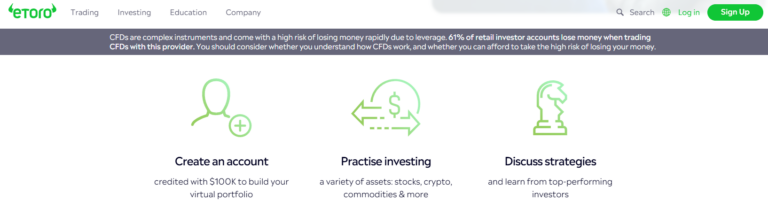
What should I do after completing a Free Course?
First, I looked into paid, structured certifications to deepen my industry knowledge. Platforms like the London Academy of Trading (LAT), and finance courses on Coursera UK offer a more advanced, step-by-step curriculum.
At the same time, I started small with a demo account—using a trusted, FCA-regulated broker. Finally, I joined trading communities, I found that being able to ask questions and learn from others made a huge difference.
It is also helpful to review the Best Trading Platforms in the UK and compare their unique services and features.
Conclusion and Final Thoughts
Heading into 2026, there’s never been more quality free content available for UK traders. Whether you choose broker-backed academies, university modules, or YouTube tutorials, the key is to start learning, practise on a demo account, and only trade live when you’re truly ready.
FAQs
References
- Financial Conduct Authority (FCA) – Regulated Firms Directory
- eToro Trading Academy – Free Trading Courses
- IG Academy – Free Trading Education
- CMC Markets Learn – Trading Education Resources
- OpenLearn by Open University – Financial Education
- London Academy of Trading (LAT) – Free and Paid Courses