


Quick Answer: What Does the First Month of Day Trading Actually Look Like?
A real education, at a knowable price. I funded a live IG account with £1,000 on Monday 3 August 2026 and traded it for four calendar weeks. It finished the month at £846.60, and the interesting part is the shape of the journey: two winning weeks, one expensive stretch of three days when I traded my frustration rather than the market, and a controlled final week that clawed money back on smaller size. The platform side never once got in the way: spreads matched the published numbers, fills were near-instant, the professional charting cost me nothing, and every mistake in this journal was mine rather than the tools'. This page is the honest diary of that month, what it cost, what worked, and the one sequencing decision I would change: have your first month on IG's demo account, where the same lessons are free, then bring what you learned to a live account with a written plan.

Spread bets and CFDs are complex instruments and come with a high risk of losing money rapidly due to leverage. 70% of retail investor accounts lose money when trading spread bets and CFDs with this provider. You should consider whether you understand how spread bets and CFDs work, and whether you can afford to take the high risk of losing your money.
Why Write a Journal Instead of a How-To Guide?
Because the how-to guides already exist, including our own guide to day trading, and none of them tell you what the first month actually feels like from the inside. The rules of this experiment were simple: £1,000 of my own money, a live IG spread betting account, four calendar weeks, every trade logged with time, size and result. No adding funds, no pretending a bad trade did not happen.
Before the diary starts, the honest health warning, and I mean it more than the regulatory small print does: day trading with leverage is a fast way to lose real money. Losses can arrive quicker than you can react, they compound when you chase them, and no amount of reading prepares you for how differently you behave when the number on the screen is yours. I have been testing brokers with live accounts for years and I still made the mistakes you are about to read. If you have never placed a leveraged trade, do not start where I started. Start on a demo.
How Did the First Two Weeks Go?
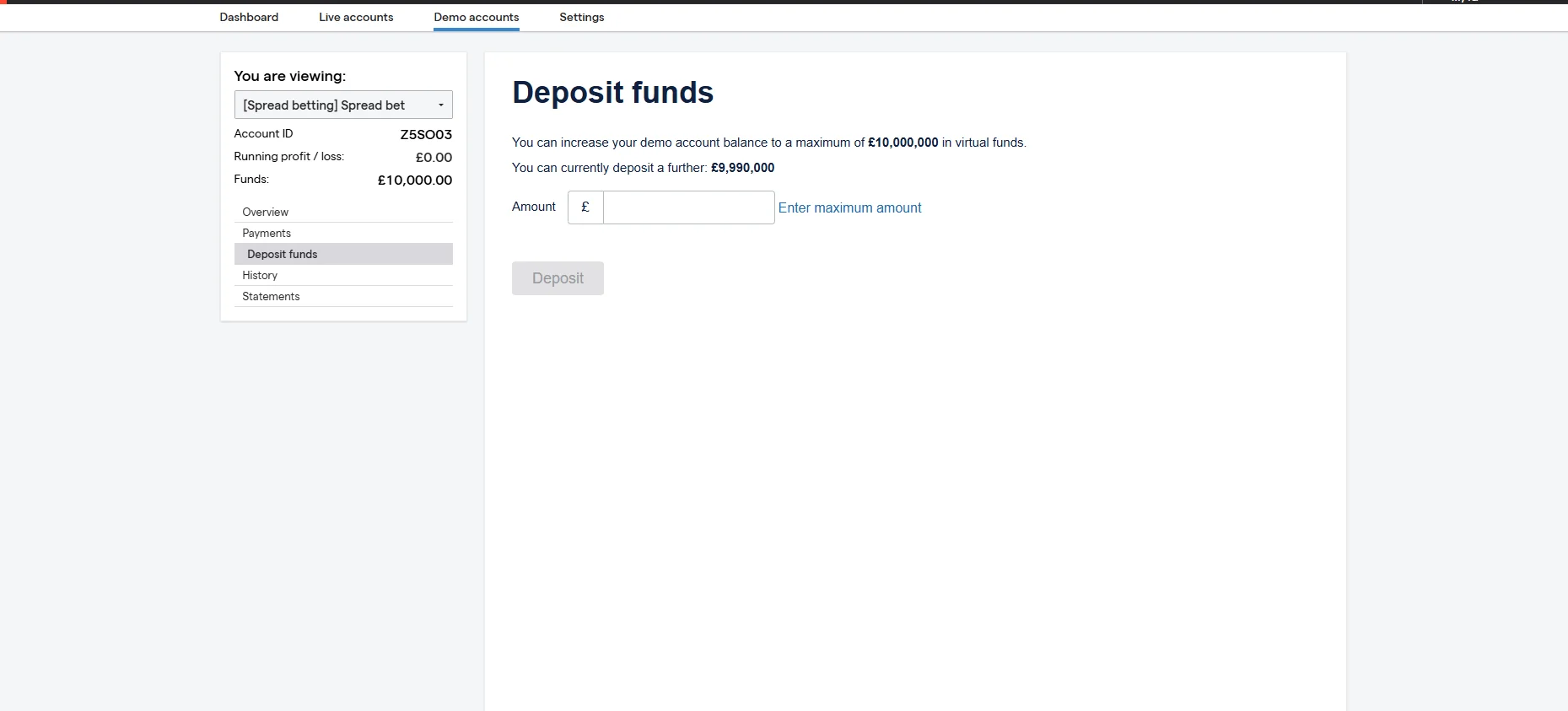
Roughly flat on the account, and badly on the discipline. The deposit itself was the smoothest part of the month: my card deposit was verified the same day, which sounds like a convenience and turned out to be a hazard, because the money was tradeable before my plan was ready.
Week one: the mistake everyone makes
My first trade went in at 2.42pm on Tuesday 4 August: long US 500 at 6,412, £1 a point, closed twenty minutes later at 6,405. Seven pounds down, and I had already made the classic first-month mistake, which was trading within an hour of opening the account because the money was there. Week one finished £22.40 down across 11 trades, and the trades themselves were not the problem. The problem was that none of them had a written reason to exist. I was clicking to feel like a day trader, not to express a view.
Week two: small wins and false confidence
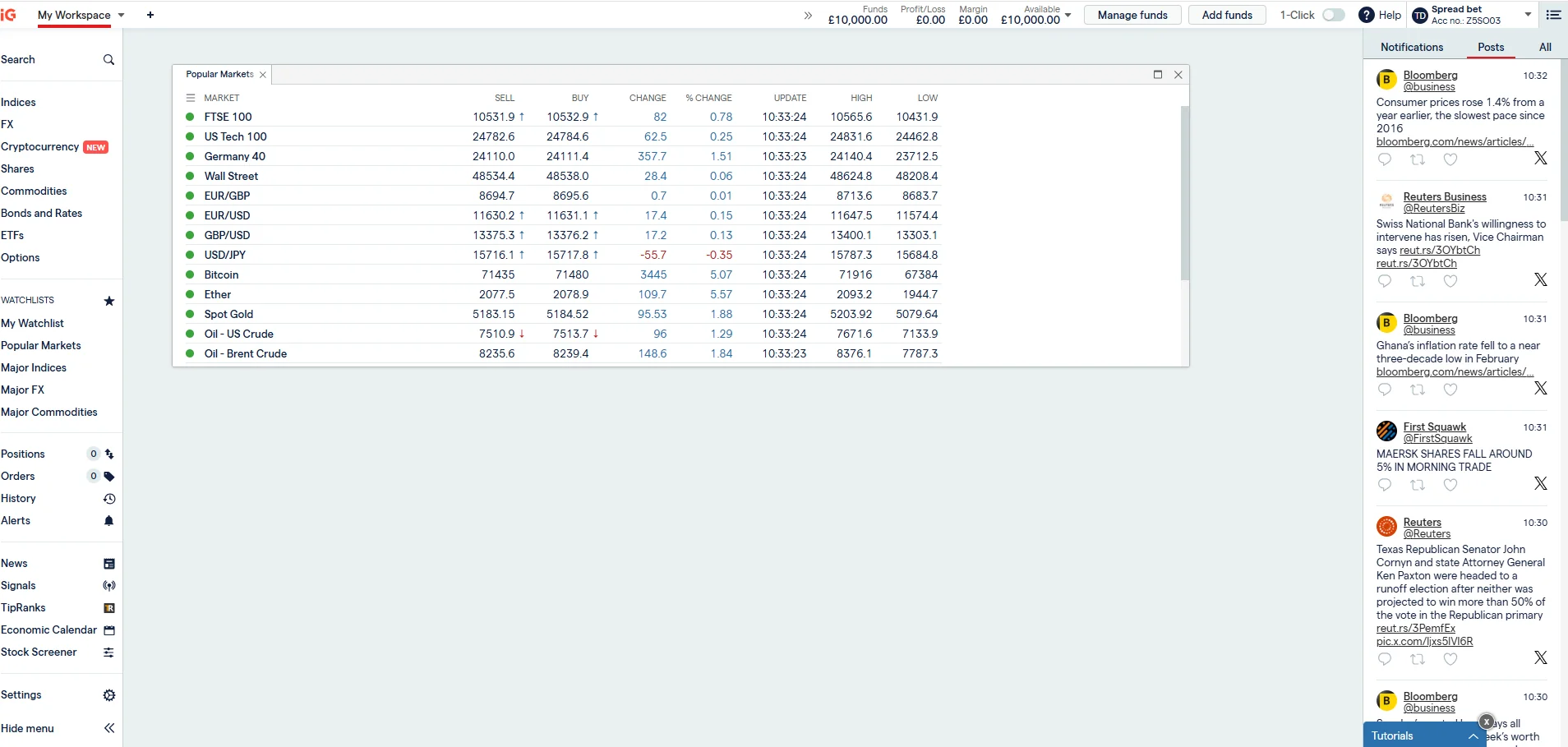
Week two finished £31.80 up, mostly from two patient index trades taken at times I had planned the night before. The costs, at least, were exactly as advertised: EUR/USD dealt at 0.6 pips and the FTSE 100 at around 1 point on my live account, and fills came back fast enough that I never once thought about execution, which on a median of 85 milliseconds is rather the point. The danger of a green week this early is what it does to your head. I ended it convinced I had found my feet. Week three would like a word.
What Happened in Week Three?
The expensive lesson, and it had almost nothing to do with the market. Between Monday 17 and Wednesday 19 August I took five consecutive losses totalling £184, four of them variations of the same trade: shorting FTSE strength that never broke. The trigger was not the chart. It was me re-entering at larger size to win Monday back.
Every experienced trader will recognise the pattern, and every new trader believes it will not happen to them. It is called revenge trading and it does not feel reckless from the inside; it feels like conviction. The tell, in my log, is the position sizes creeping up while the written reasons get shorter. By the Wednesday I had the good sense to close the platform and not reopen it until the following Monday, which is the only trade decision from that week I am proud of. If I had been on a demo account, week three would have been a free education. On a live account it was £184, a contained cost precisely because the stake sizes were small and every position carried a stop. The fix that stuck for week four came from the platform itself: I set price alerts instead of watching the screen, so the market came to me when my levels traded rather than tempting me in between them.
Where Did the Account Finish, and What Did It Cost?
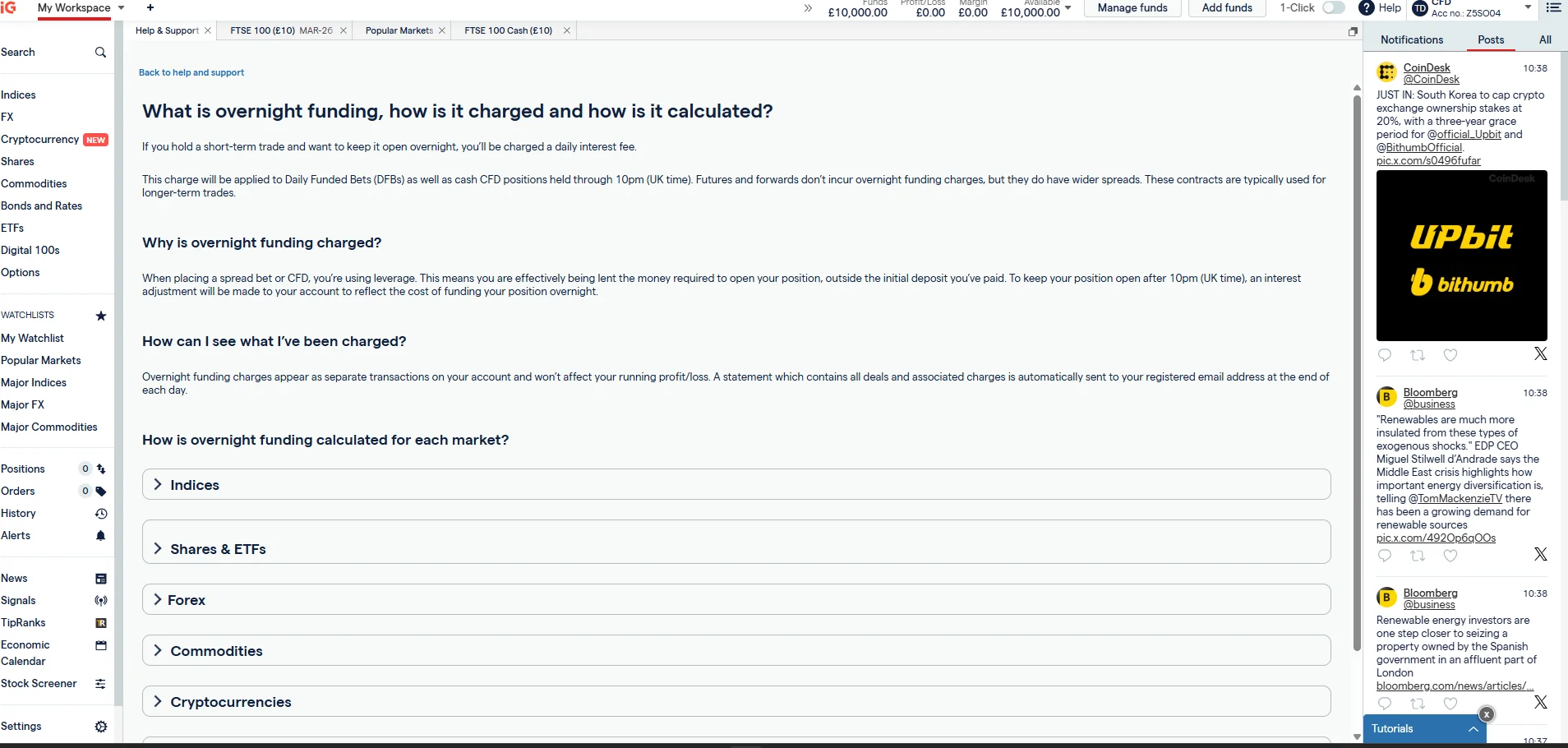
Down, but with the trend pointing the right way. Week four recovered £44.80 on deliberately reduced size, planned entries and alerts doing the watching, which is to say the month ended with me trading the way I should have started it. The account finished at £846.60: £129.80 of trading losses and £23.60 of overnight financing, and the financing surprised me more than the losses did. Positions I thought of as day trades drifted past 10pm often enough that the funding line became a real cost, night after night, without a single losing trade attached to it. Worth stating plainly alongside the red ink: the two weeks I traded to a written plan were both profitable. The approach worked every time I actually followed it.
| Line | Amount |
|---|---|
| Opening deposit | £1,000.00 |
| Net trading result | £129.80 loss |
| Overnight financing | £23.60 |
| ProRealTime charting | £0 (activity cleared the fee waiver) |
| Closing balance | £846.60 |
One cost note worth passing on: ProRealTime, IG's professional charting package, cost me nothing. The £30 monthly fee is waived once IG earns £15 or more from your trading in the month, which four or more full index trades typically covers, and the first month is free regardless. Trade rarely, though, and £30 a month is a serious drag on a £1,000 account.
What Does the Evidence Say About First Months?
That mine was normal, and that normal is sobering. The largest academic study of day traders, by Barber, Lee, Liu and Odean, followed around 450,000 day traders in Taiwan over 15 years and found that fewer than 1% earned predictably positive returns. The figure that belongs on this page, though, is a different one from the same research programme: in the authors' earlier analysis, nearly 40% of the people who try day trading do it for only about one month, and the published follow-up found more than three quarters quit within two years. The first month is not the start of most day trading careers. It is most day trading careers.
The UK picture is smaller than at the 2021 peak too: Investment Trends counted 167,000 active UK leverage traders as at May 2025, down 39%. I quote the numbers not to talk anyone out of the attempt but because they are the strongest possible argument for the sequence this journal keeps returning to. The traders who last are the ones who treat the first month as training rather than income, size small, plan in writing and use the demo first, and every one of those habits is free to adopt. My own month makes the same case from the inside: the planned weeks made money, the unplanned days paid for the lesson.
What Would I Do Differently?
Three things, in order of how much money each would have saved me. First, I would have spent the month on IG's demo account instead, and I say that as someone who trades for a living: every mistake in this journal was available at zero cost on a demo, and the lessons transfer. The counterargument, that demo trading does not teach you about your own fear and greed, is true, which is why the sequence matters: demo first, then the smallest live size the platform allows, then real size, if ever.
Second, I would have written the plan before funding the account, because same-day deposits mean the platform will always be ready before you are. Third, I would have understood the wrapper I was trading before I chose it. I used a spread betting account; the alternative is a CFD account, and the differences in tax treatment and loss relief are real money in both directions. My comparison of spread betting and CFDs covers that decision properly. Whichever you choose, IG runs both from one login, each side FCA-regulated (IG Index Ltd, firm reference 114059, for spread betting; IG Markets Ltd, 195355, for CFDs), and the honest summary of my first month is this: the platform did its job, the costs matched the published numbers, and the biggest risk in the building was me.
FAQs
References
- Barber, Lee, Liu and Odean: "The Cross-Section of Speculator Skill: Evidence from Day Trading" (Journal of Financial Markets, 2014; ~450,000 Taiwan day traders, 1992 to 2006) and Do Day Traders Rationally Learn About Their Ability? (quit-rate figures)
- Investment Trends: UK Leverage Trading Report, May 2025 (167,000 active UK leverage traders)
- IG: charges and fees, including ProRealTime terms and overnight funding
- FCA register: IG Index Ltd (FRN 114059, spread betting) and IG Markets Ltd (FRN 195355, CFDs)