


Quick Answer: What Do UK Day Traders Actually Pay in Tax?
On my own numbers, almost nothing, and the reason is the wrapper rather than the profit. Last tax year my spread betting account finished £4,120 up and the tax on that was zero: no capital gains tax, no income tax, no stamp duty. My CFD account made £3,650 over the same year; after the £3,000 annual exempt amount, £650 was taxable, and at the higher rate of 24% the bill came to £156, declared on the SA108 pages of my self-assessment. Two accounts, one IG login, and the account type decided the tax bill far more than the trading did. The rest of this page shows the working, and the one situation where the taxed account is actually the better choice.
First, the Important Bit: This Is Not Tax Advice
This article describes my personal tax position for one tax year. It is not tax advice, and nothing here accounts for your income, your other gains, your losses or your circumstances. Tax treatment depends on individual circumstances and the rules can change. Before acting on anything you read here, check the current position on gov.uk or speak to a qualified accountant or tax adviser. I use an accountant for my own return, and I would even if I did not write about this for a living.

Spread bets and CFDs are complex instruments and come with a high risk of losing money rapidly due to leverage. 70% of retail investor accounts lose money when trading spread bets and CFDs with this provider. You should consider whether you understand how spread bets and CFDs work, and whether you can afford to take the high risk of losing your money.
Why Does the Account Type Decide the Tax?
Because UK tax law treats spread betting and CFD trading as different animals, even when the trades inside them are identical. Spread betting profits are free of capital gains tax and income tax for a typical retail trader; HMRC sets this out in its own Business Income Manual at BIM22020, which treats spread bets as wagers rather than taxable dealing. CFD profits, by contrast, are normally taxed as capital gains. Same market, same direction, same result, and a completely different line on your tax return.
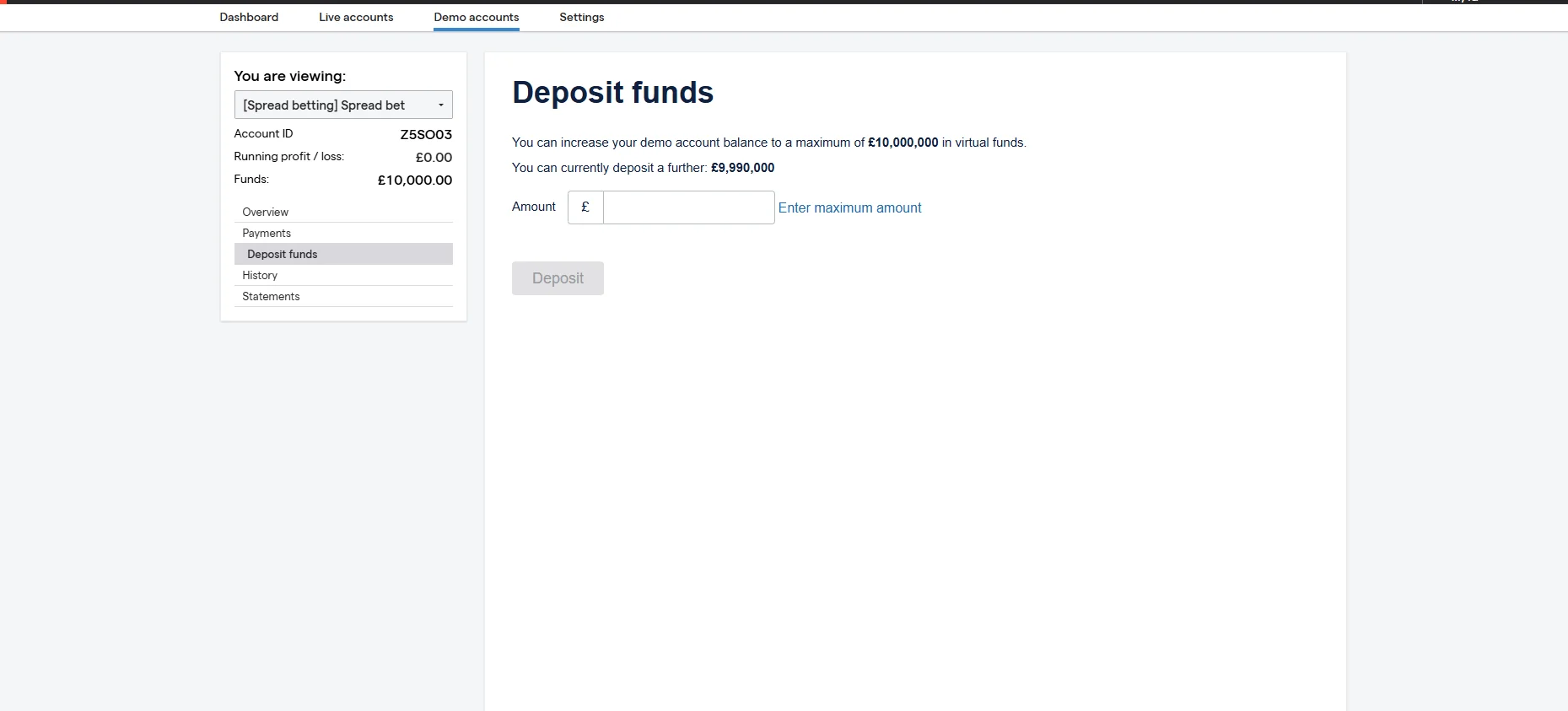
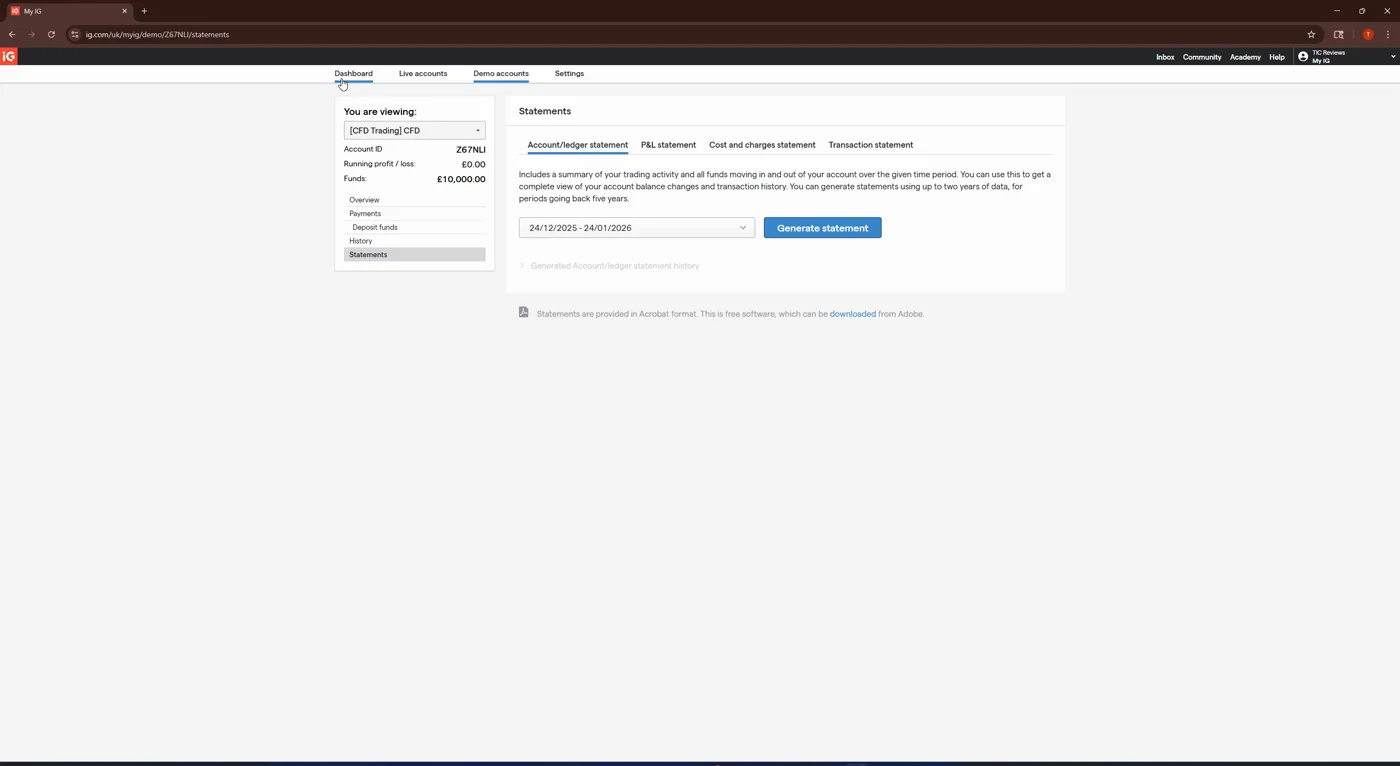
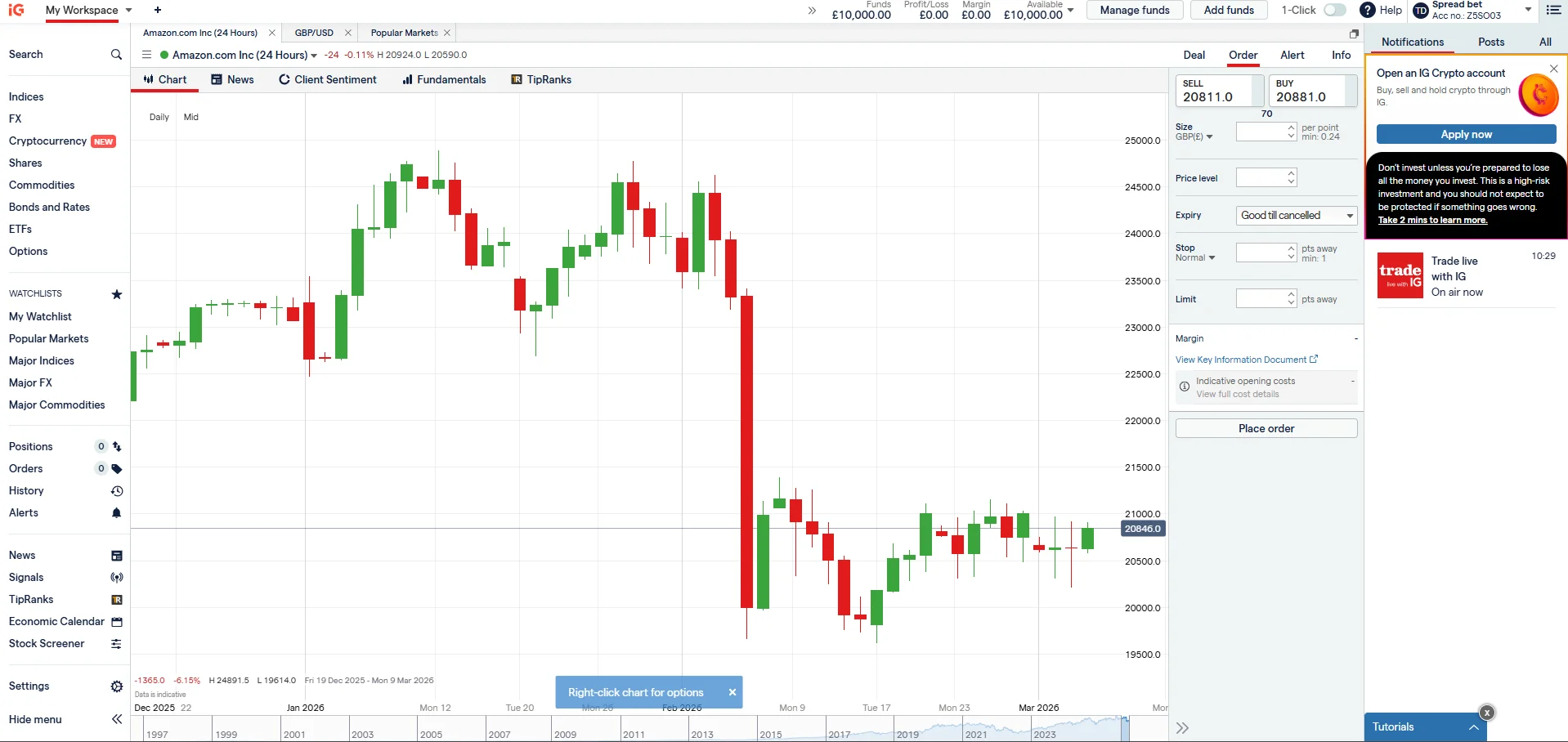
I am deliberately summarising here rather than re-explaining, because we have already covered the mechanics in depth in our spread betting vs CFD tax guide, and the product-level differences live in our spread betting vs CFDs comparison. The operational fact that makes the whole thing usable is this: I run both account types from a single IG login, with spread parity on most instruments, so choosing the wrapper for a trade costs nothing but the thought. That single fact is most of my tax planning.
What Did I Actually Pay Last Year?
£156, on a five-figure year of trading across two accounts, and the split below is the whole story. These are my figures from my own return, not a worked hypothetical.
The spread betting side: profitable, and tax free
My spread betting account finished the year £4,120 up. The tax on that was zero, per the BIM22020 treatment summarised above. Nothing to declare, nothing to report, no pages to fill in. If that sounds too good to survive contact with HMRC, the logic is that the Exchequer taxes the bookmaker rather than the punter, and the price of the free ride is the one I cover two sections down: losses get you nothing back either.
The CFD side: taxed, but barely
My CFD account made £3,650 over the same year. Take off the £3,000 annual exempt amount and £650 was taxable; at the higher rate of 24% that came to £156, declared on the SA108 capital gains pages of my self-assessment. The annual exempt amount is £3,000 for 2025/26, and CGT on gains above it runs at 18% for basic-rate taxpayers and 24% at the higher rate. The allowance did most of the work in my case, which is worth noticing: a modest CFD year can be almost as tax-light as spread betting, right up until it is not.
| Account | Annual result | Taxable | Tax paid |
|---|---|---|---|
| Spread betting | £4,120 profit | £0 | £0 |
| CFD | £3,650 profit | £650 (after £3,000 AEA) | £156 |
When Is the Taxed CFD Account Actually Better?
In a losing year, and this is the inversion most guides miss entirely. CFD losses are capital losses: they offset gains in the same year and can be carried forward against future gains once reported to HMRC. Spread betting losses, because the wins were never taxable, give you nothing back at all. Tax free cuts both ways.
So the wrapper decision is really a forecast of your own results. Profitable and short term: spread bet, and keep the gains whole. Building bigger size, or honest enough to admit a losing year is possible: keep the CFD account alive, because the loss relief is worth real money exactly when you need it. My own split reflects that logic rather than any tax cleverness, and if you want the full cost picture on the CFD side, my breakdown of what CFD trading really costs in the UK covers the spreads and financing that sit alongside the tax. The honest case for the other wrapper is in my piece on spread betting in the UK.
How Do You Actually Report It?
Through self-assessment, on the SA108 capital gains pages, and the job is mostly record-keeping. My CFD gain went on the SA108 alongside disposal proceeds and allowable costs; the spread betting profit appeared nowhere, because there was nothing to declare. IG's statements in the My IG area did the heavy lifting: annual summaries and cost and charges documents that reconcile to the penny, which is precisely what you want when a figure on a tax return needs a source.
Three practical notes from doing this for real. Keep every statement, even for the tax-free account, because being able to show where money came from is never wasted. Check the current reporting thresholds on gov.uk each year, because whether you need to file at all depends on rules that move. And if your trading is your main livelihood or looks anything like a profession, the badges-of-trade question of whether profits could be taxed as income is one for an accountant, not a blog, mine included. If you are still at the stage of deciding whether day trading is for you at all, start with our guide to how to day trade before worrying about the tax on profits you do not yet have.
FAQs
References
- HMRC Business Income Manual: BIM22020, betting and gambling
- HMRC: capital gains tax rates and allowances (annual exempt amount £3,000, 2025/26)
- HMRC: SA108 capital gains summary pages
- IG: spread betting and CFD account comparison