

- expertise:
- CFD Trading, Forex, Derivatives, Risk Management
- credentials:
- Chartered ACII (2018) · Trading since 2012
- tested:
- 40+ forex & CFD platforms with live accounts

- expertise:
- Platform Testing, Cryptocurrency, Retail Investing
- credentials:
- Active investor since 2013 · 11+ years experience
- tested:
- 50+ platforms · 200+ guides authored
How We Test
Real accounts. Real money. Real trades. No demo accounts or press releases.
What we measure:
- Spreads vs advertised rates
- Execution speed and slippage
- Hidden fees (overnight, withdrawal, conversion)
- Actual withdrawal times
Scoring:
Fees (25%) · Platform (20%) · Assets (15%) · Mobile (15%) · Tools (10%) · Support (10%) · Regulation (5%)
Regulatory checks:
FCA Register verification · FSCS protection
Testing team:
Adam Woodhead (investing since 2013), Thomas Drury (Chartered ACII, 2018), Dom Farnell (investing since 2013) — 50+ platforms with funded accounts
Quarterly reviews · Corrections: in**@*******************co.uk
Disclaimer
Not financial advice. Educational content only. We're not FCA authorised. Consult a qualified advisor before investing.
Capital at risk. Investments can fall. Past performance doesn't guarantee future results.
CFD warning. 67-84% of retail accounts lose money trading CFDs. High risk due to leverage.
Contact: in**@*******************co.uk
Quick Answer: To Buy Kaspa in the UK, you'll need to:
- Select a reputable crypto exchange that lists Kaspa (KAS) like Coinbase, MEXC, or Uphold.
- Register and complete KYC verification.
- Deposit funds using a bank account or fiat currency.
- Search for Kaspa trading pairs and place your order.
- Securely store Kaspa in a crypto wallet.
Where to Buy Kaspa (KAS)
When it comes to buying Kaspa (KAS) in the UK, selecting the right platform is crucial. Our top picks for UK investors are Coinbase, MEXC, and Uphold.
Here's a comparison based on fees, security, user-friendliness, and Kaspa's price and support, including pros and cons for each.
Registration and Verification Processes
Platforms like MEXC, Coinbase, and Uphold follow a standard signup process that emphasises security and compliance with regulatory standards. Here's a brief overview:
- Step 1: Sign Up: Provide basic information like your email address and create a secure password.
- Step 2: Verification: Both platforms require identity verification to comply with KYC regulations. This involves submitting a government-issued ID and, in some cases, a proof of address.
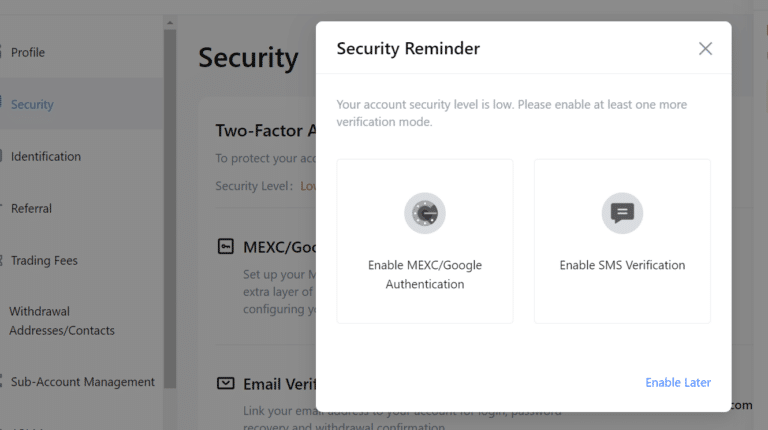
- Step 3: Security Setup: It's recommended to set up two-factor authentication (2FA) for an added layer of security.
- Step 4: Deposit Funds: Once verified, you can deposit funds using your preferred payment method.
- Step 5: Start Trading: With funds in your account, you're ready to buy Kaspa or other cryptocurrencies.
Both platforms strive to make the registration and verification process as smooth as possible, balancing the need for security with user convenience.
Whether you're a beginner or a seasoned trader, choosing a platform that aligns with your trading habits, security expectations, and support for Kaspa is key to a successful investment experience.
1. Coinbase
Rating: 4.8/5
Best for: Beginners, Security, FCA-Registered
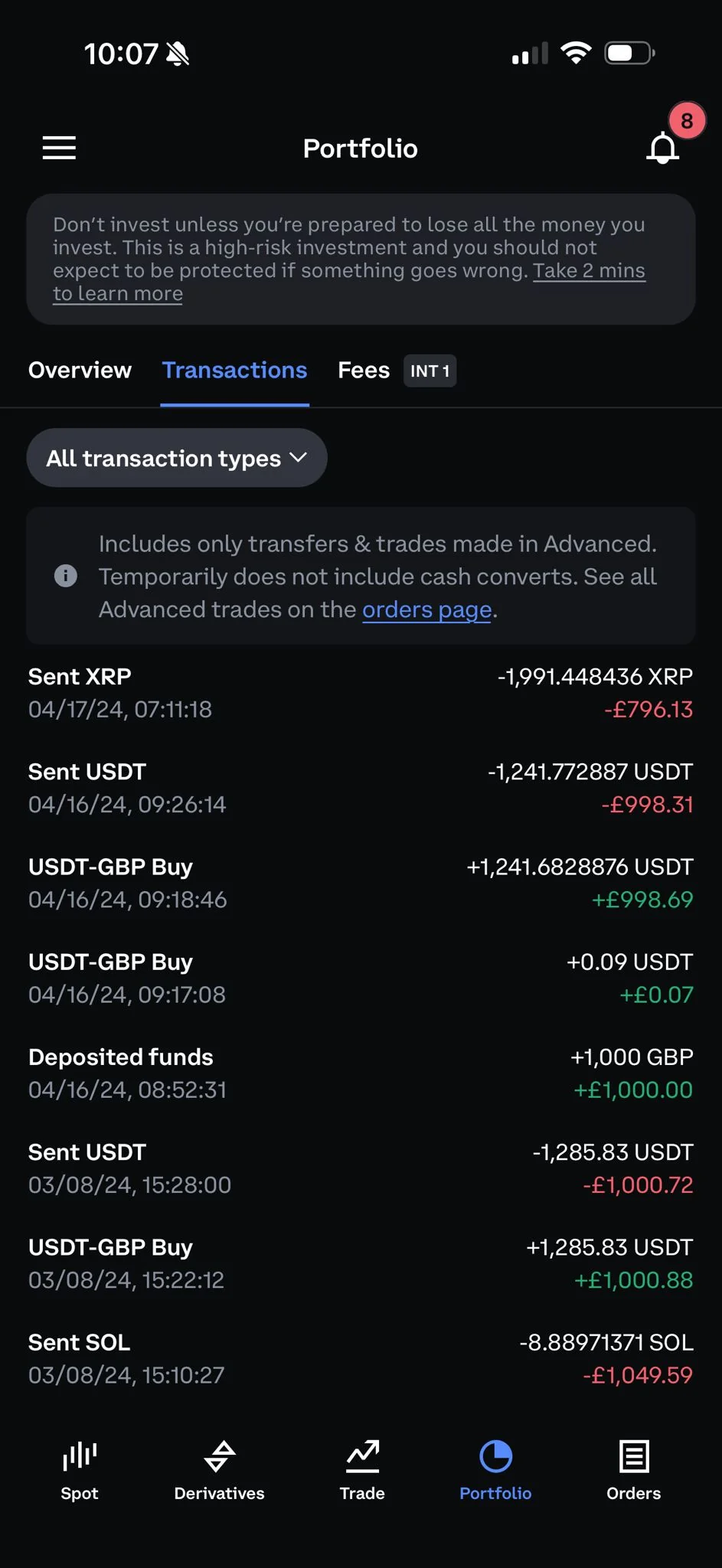
- Beginner-friendly interface with fastest verification (8 mins)
- 98% cold storage — industry-leading security
- FCA-registered and NASDAQ-listed
- Coinbase Advanced drops fees to ~0.6%
- 250+ cryptocurrencies (UK) including KAS
- Standard fees are higher (1.49%) — must switch to Advanced
- Card deposits charge 3.99% — use bank transfer instead
- Customer support can be slow during busy periods
Fees
Coinbase charges 1.49% per trade on the standard interface. Debit card deposits incur a 3.99% fee — bank transfer is recommended. Coinbase Advanced offers lower maker-taker fees starting at 0.6% maker / 1.2% taker, making it significantly cheaper for regular traders.
What Cryptocurrencies are Available?
Coinbase offers 250+ cryptocurrencies to UK users, including Bitcoin, Ethereum, Solana, and Kaspa (KAS). It frequently adds new tokens with strong market demand and regularly updates its supported assets list.
How Safe is the Exchange?
Coinbase is highly secure, storing 98% of customer assets in cold storage. It enforces two-factor authentication, is FCA-registered in the UK, and is publicly listed on NASDAQ — adding regulatory scrutiny and transparency. Eligible cash deposits are protected up to £85,000 under FSCS. Crypto holdings are not covered.
Who Is It Best For?
Coinbase is best for beginners who prioritise ease of use and security. Its simple platform design and clear buying process make it perfect for those new to cryptocurrency who want a safe, trusted place to buy Kaspa without technical complexity.
Don’t invest unless you’re prepared to lose all the money you invest. This is a high-risk investment and you should not expect to be protected if something goes wrong. Take 2 mins to learn more
2. MEXC
Rating: 4.6/5
Best for: Low Fees, Deep Liquidity, Global Focus
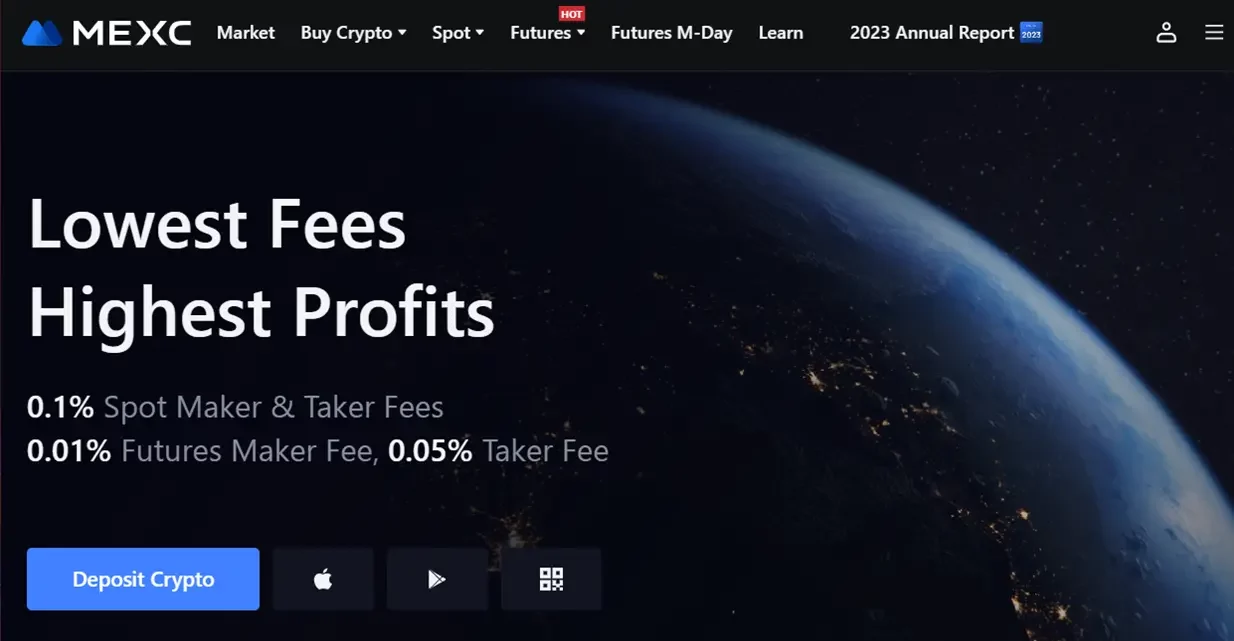
- Very low trading fees (as low as 0%)
- Huge range of cryptocurrencies (1,000+ listed)
- High liquidity, especially for altcoins
- Offers futures, margin, staking, and launchpad features
- Not FCA-registered (operates offshore)
- Limited fiat on-ramp options for UK users
- Interface may be overwhelming for beginners
Fees
MEXC offers highly competitive fees. Spot trading fees start at 0.1%, with frequent promotions reducing fees to 0%. Futures trading can be as low as 0% maker and 0.01% taker. However, UK users may face higher costs using third-party services for GBP deposits and withdrawals, as MEXC does not directly support Faster Payments.
What Cryptocurrencies are Available?
MEXC is known for its extensive selection, listing over 1,000 cryptocurrencies, including major tokens like Bitcoin, Ethereum, and Solana, as well as a wide array of emerging altcoins. It's one of the best platforms for discovering new tokens early.
How Safe is the Exchange?
While MEXC employs security features like two-factor authentication and withdrawal whitelists, it is not regulated by the FCA or a major Western financial authority. That said, it has a solid track record with no major hacks reported, and it holds user funds in cold storage. Caution is advised due to the lack of UK regulatory oversight.
Who Is It Best For?
MEXC is ideal for experienced traders and altcoin enthusiasts who want access to a broad range of assets and advanced tools. It's less suited for UK beginners due to its complex interface and lack of direct GBP support, but great for those who prioritise selection and low fees.
Disclaimer: Don't invest unless you're prepared to lose all the money you invest. This is a high-risk investment and you should not expect to be protected if something goes wrong. Take 2 mins to learn more.
3. Uphold
Rating: 4.2/5
Best for: Multi-Asset Access, User-Friendly, GBP Support
- Multi-asset trading (crypto, stocks, metals)
- 250+ cryptocurrencies including Kaspa (KAS)
- FCA-registered with transparent reserve reporting
- Easy account setup and GBP support
- Higher spreads (0.9%–1.5%+) on some assets
- Less transparent fee structure than competitors
- Limited advanced trading features
Fees
Uphold uses spreads instead of trading fees, typically 0.9%–1.5% for major coins, higher for low-liquidity tokens. Deposits via bank transfer or card in GBP are supported, with low or no extra charges.
What Cryptocurrencies are Available?
Uphold lists over 250 cryptocurrencies, including Kaspa (KAS), XRP, XLM, Hedera (HBAR), and smaller cap tokens not found on all major platforms. It also supports stocks and precious metals from one account.
How Safe is the Exchange?
Uphold is FCA-registered and publishes regular reserve transparency reports. Security features include two-factor authentication, encryption, and segregated user funds. It has maintained a clean security record with no major breaches reported.
Who Is It Best For?
Uphold is best for UK investors who want straightforward access to Kaspa alongside other asset classes. Its clean interface and multi-asset approach suit investors looking for convenience and diversification without needing advanced trading tools.
Don’t invest unless you’re prepared to lose all the money you invest. This is a high-risk investment and you should not expect to be protected if something goes wrong.
What is Kaspa (KAS)?
Kaspa (KAS) is a cutting-edge cryptocurrency that stands out for its speed, scalability, and security.
It's designed to solve common issues in blockchain transactions through its "GHOSTDAG" protocol, enabling near-instantaneous transactions.
This makes Kaspa an appealing choice for investors worldwide, including those in the UK.
Unique Features for UK Investors
- Rapid Transactions: Kaspa processes transactions quickly, ideal for efficient trading and investing.
- Scalability: It's built to handle growth without slowing down or becoming expensive, making it a solid choice for sustainable investment.
- Energy Efficiency: Kaspa's energy-efficient design appeals to environmentally conscious investors.
- Decentralization and Security: Its decentralised nature ensures security and transparency.
- Community and Accessibility: Supported by a vibrant community and widely accessible through various exchanges, Kaspa is positioned as a valuable addition to any investment portfolio.
In summary, the Kaspa coin offers UK investors a promising cryptocurrency option, combining innovative technology with practical benefits for a sustainable and potentially lucrative investment.
Kaspa is one of many emerging altcoins attracting UK investor attention. For a broader look at the space, see our guides on where to buy altcoins in the UK and the best low cap crypto gems currently on our radar.
Is Kaspa Secure and Legal in the UK?
Legal Framework
Investing in Kaspa (KAS) is legal in the UK, falling under the evolving cryptocurrency regulations aimed at anti-money laundering and financial terrorism.
Compliance with KYC (Know Your Customer) processes and understanding tax implications is essential.
Ensure any exchange or broker you use is registered with the Financial Conduct Authority (FCA) for added reassurance. For a full overview of UK crypto law, see our guide: is Bitcoin legal in the UK.
Security Measures
To safeguard your Kaspa investments, prioritise security:
- Choose Reputable Exchanges: Opt for exchanges with robust security features like two-factor authentication, encryption, and cold storage.
- Secure Wallets: Prefer hardware wallets for maximum security or select software wallets with a strong security track record.
- Be Informed: Stay updated on security practices and scams. Use strong, unique passwords and enable 2FA where available.
Investment Considerations
Before investing in Kaspa, keep these points in mind:
- Market Volatility: Be prepared for price fluctuations and assess how these align with your risk tolerance and investment goals.
- Define Your Goals: Identify whether you're seeking short-term gains or long-term investment, and strategise accordingly.
- Risk Management: Diversify your investments and only invest what you can afford to lose to mitigate potential risks.
In short, while Kaspa presents exciting investment opportunities, understanding its legal standing, ensuring security, and aligning with your financial objectives are key steps for a safe and informed investment journey in the UK.
If you're also weighing up other cryptocurrencies, our guide to the best crypto to invest in compares the strongest options for UK investors right now. You may also want to ensure your bank supports crypto transactions -- see our list of crypto-friendly banks in the UK.
Step-by-Step Guide to Buying KAS
Step 1: Choose a Cryptocurrency Exchange
Select a cryptocurrency exchange that supports Kaspa (KAS) transactions. For UK investors, platforms like Coinbase, MEXC, and Uphold are popular choices due to their reliability, security, and user-friendly interfaces.
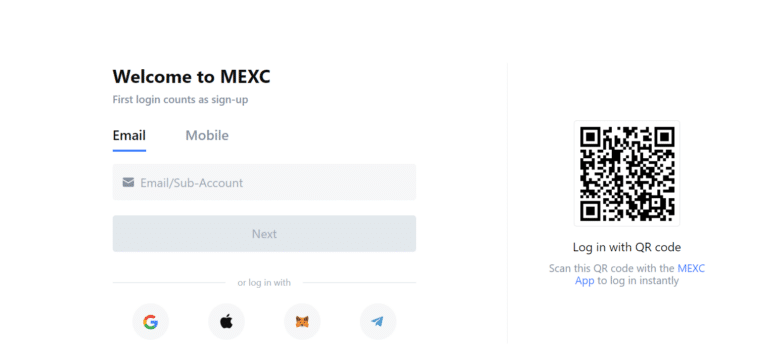
Step 2: Create an Account
Navigate to the chosen exchange's website.
Click on the "Sign Up" or "Register" button.
Enter your email address and create a secure password. Agree to the terms and conditions, then submit your registration.
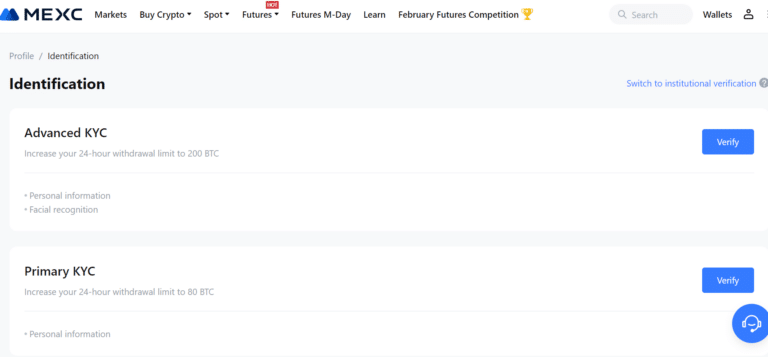
Step 3: Verify Your Identity (KYC Process)
Upon registration, you'll be prompted to complete the Know Your Customer (KYC) process.
Provide personal information, including your full name, address, and date of birth.
Upload a government-issued ID (passport, driver's licence) and possibly a proof of address (utility bill, bank statement).
Step 4: Secure Your Account
Enable two-factor authentication (2FA) from the security settings of your account for an added layer of protection.
Step 5: Deposit Funds
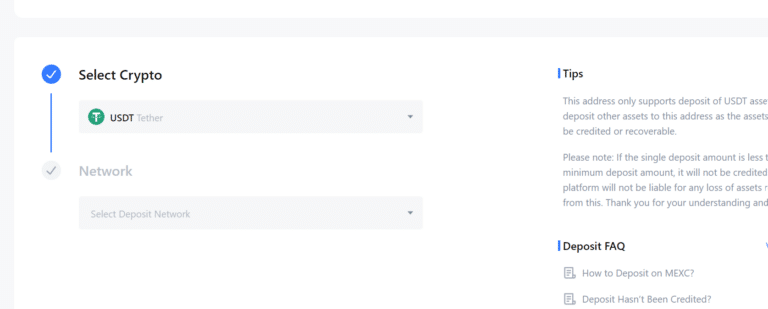
Go to the "Deposit" section and select your preferred method of depositing funds (bank transfer, credit card, etc.).
Follow the instructions to complete the deposit, noting any fees or minimum deposit amounts.
Step 6: Buy Kaspa (KAS)
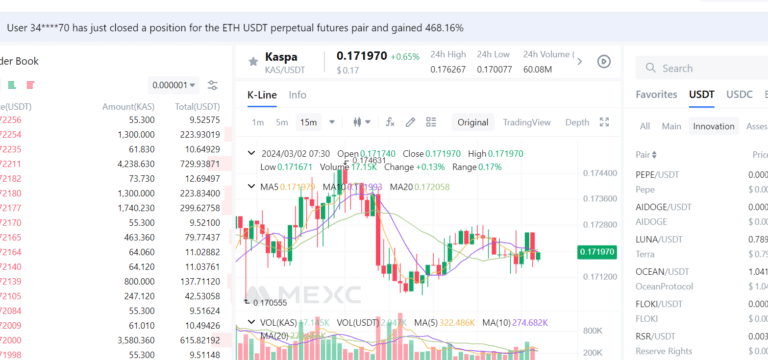
Once your funds are deposited, navigate to the trading section of the platform.
Search for Kaspa (KAS) and select the pair you wish to trade (e.g., KAS/GBP).
Enter the amount of KAS you want to buy or the amount of GBP you want to spend.
Review your transaction details, then confirm your purchase.
Step 7: Transfer Kaspa to a Secure Wallet (Optional)
For added security, transfer your Kaspa holdings from the exchange to a personal wallet. Choose between hardware (most secure) and software wallets.
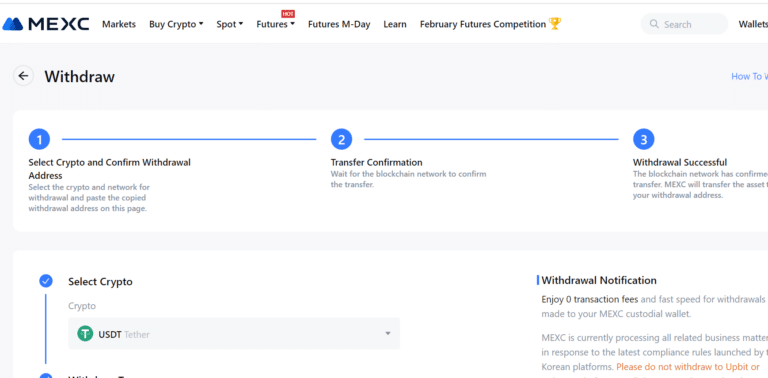
Navigate to the "Withdraw" section on the exchange, select Kaspa (KAS) as the currency to withdraw, and enter your wallet address.
Confirm the transaction, taking note of any withdrawal fees.
Storing Your Kaspa Safely
When storing Kaspa (KAS) or any other cryptocurrency, choosing the right wallet is an important step in protecting your funds. Different storage options offer varying levels of security, control, and convenience.
The three main wallet categories to consider are hardware wallets, software wallets, and exchange-based wallets. Each comes with its own benefits and trade-offs, depending on how you plan to use your crypto and how much security you require.
For maximum security, a hardware wallet is recommended. Our Ledger vs Trezor comparison breaks down the two most popular options for UK investors.
Discuss Buying Kaspa in the UK
Bought Kaspa (KAS) in the UK? It's a less-common token — share which exchange listed it, what fees you paid, and any tips. Our community earns Equity for quality contributions.
Discussion 0 comments
Be the first to start discussing this topic! Log in or create an account to share your thoughts.
Log In Create AccountFAQs
References

Don’t invest unless you’re prepared to lose all the money you invest. This is a high-risk investment and you should not expect to be protected if something goes wrong. Take 2 mins to learn more
No comments yet. Be the first to start discussing this topic!